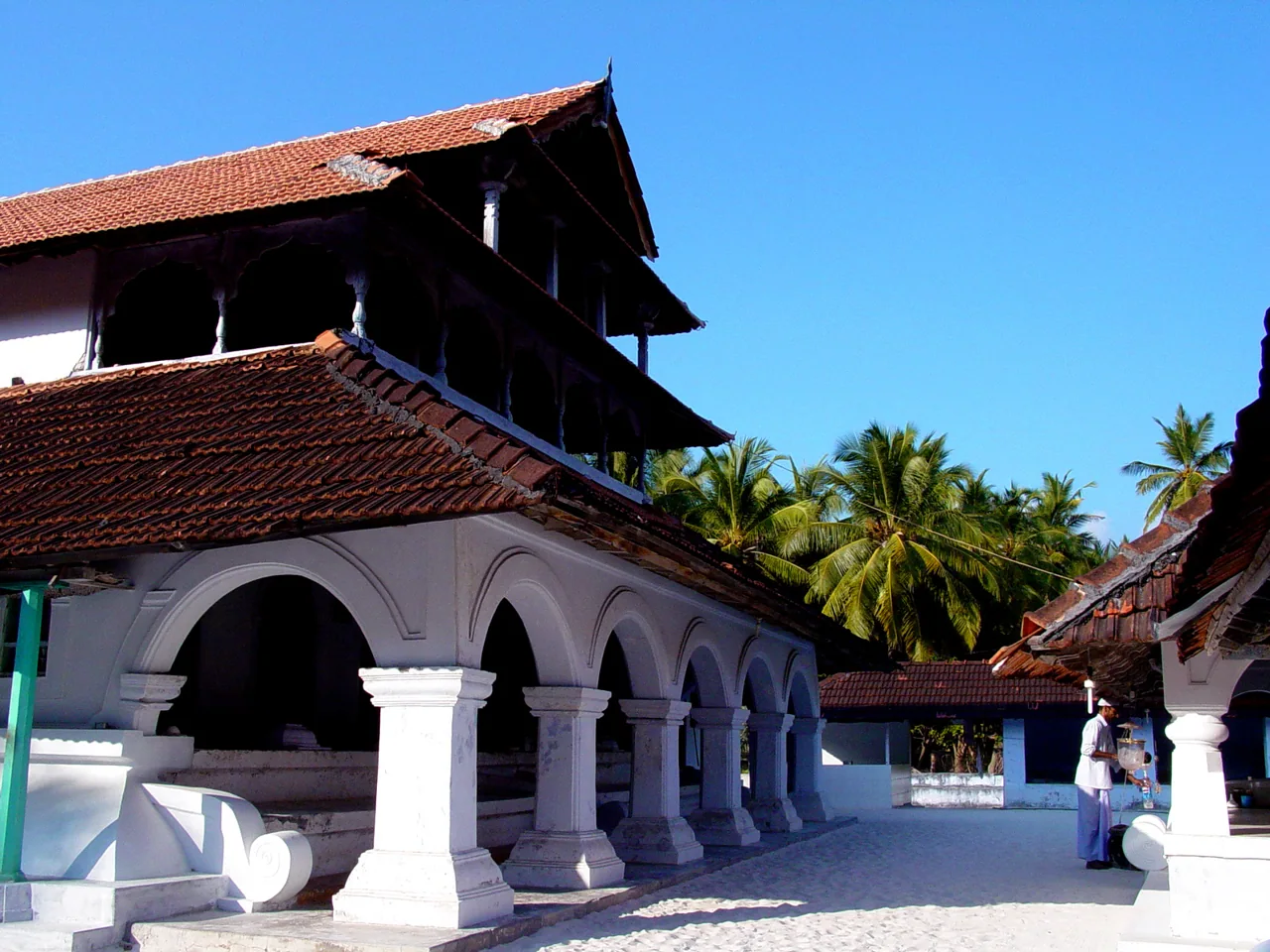
Faith across the water
The story of Islam in Lakshadweep brings together maritime exchange, sacred places and cherished traditions.
Minicoy’s language, seafaring traditions and remembered past connect it to a wider Indian Ocean world.
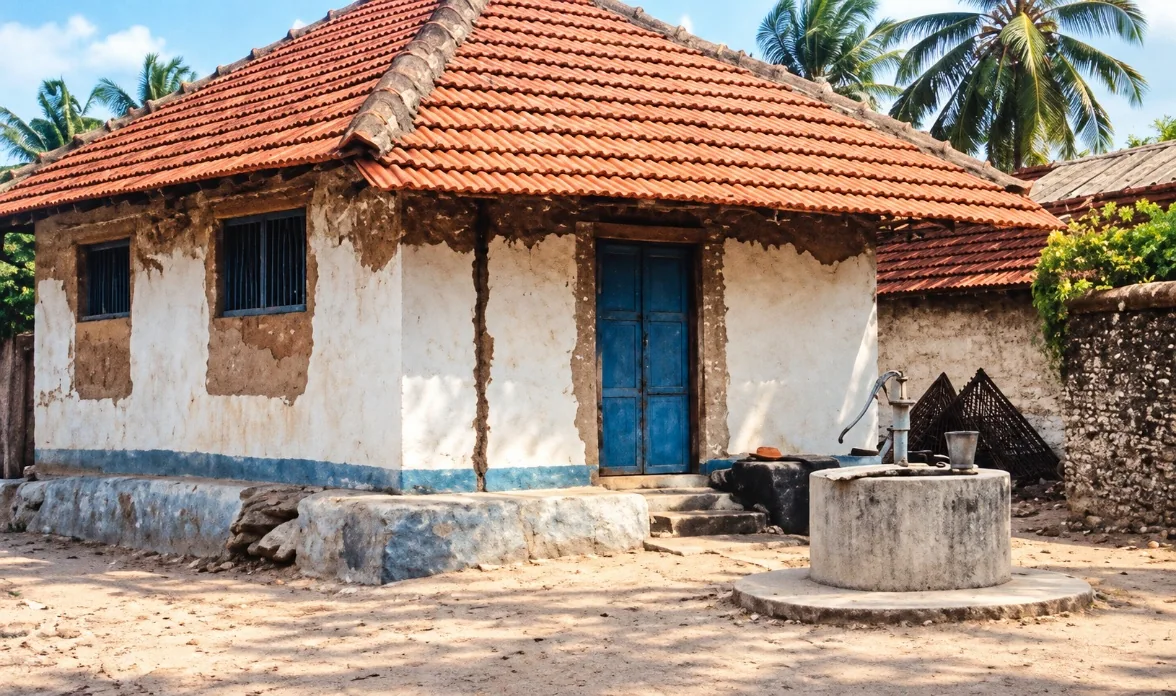
Known locally as Maliku, Minicoy has a distinct place within Lakshadweep. Its Mahl language, village traditions and maritime connections link it closely with the Maldives, while its modern administration is part of India’s Union Territory of Lakshadweep.
Naajih Didi’s supplied account brings together oral tradition and historical references to explain those overlapping connections. It is best read as a perspective on a complex island past, whose surviving records and later interpretations do not always agree.
One account traces the island’s population to two Maldivian princesses, Kambo Ranin and Kohorathu Kamana, and their followers. Such stories carry ideas about belonging, migration and kinship. They should be identified as oral tradition rather than treated as a securely dated settlement record.
Didi also describes family links sustained by migration and marriage across the sea. These relationships help explain why political boundaries alone cannot capture the island’s cultural history.
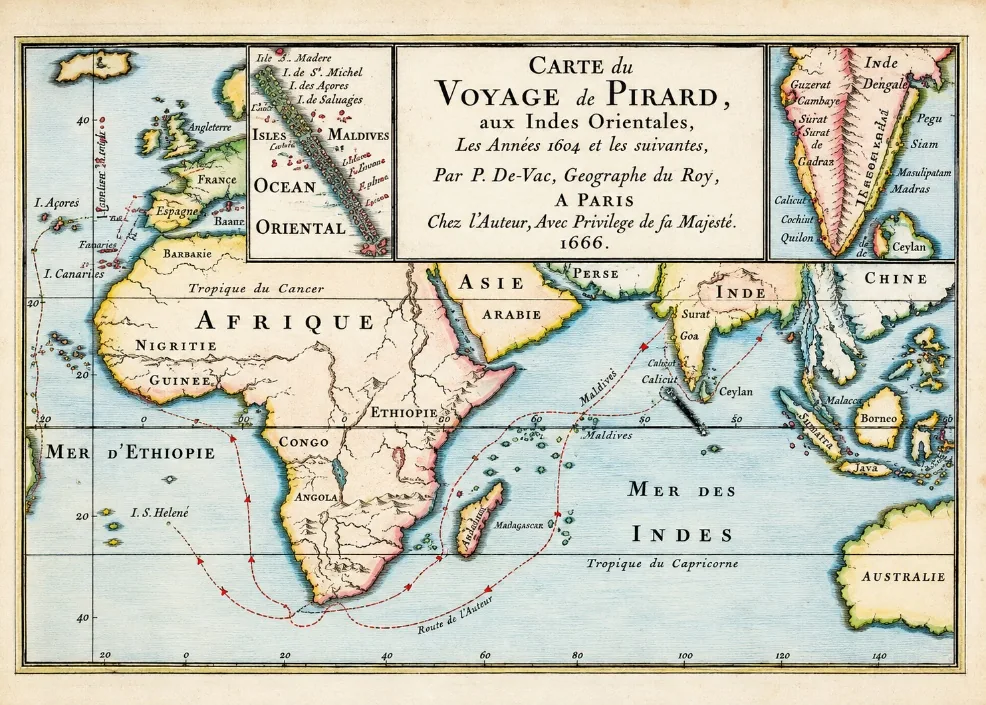
The essay discusses references to Maliku in royal correspondence and in the travels of François Pyrard de Laval. It describes periods of influence involving Maldivian rulers, the Ali Raja of Cannanore and, later, British administration.
Its detailed account of seventeenth- and eighteenth-century political control needs to be checked against the original documents before a single definitive chronology can be asserted. Here those passages remain an attributed historical interpretation, not proof of a modern territorial claim.
The islands were brought together as a Union Territory on 1 November 1956. Its name changed to Lakshadweep in 1973. Today Minicoy’s distinct language and cultural practices are part of the archipelago’s diversity.
The value of this history lies in seeing how people, skills and memories have moved between shores. Maliku belongs to that wider story as well as to the everyday lives of the people who call it home.
Adapted from A BRIEF HISTORY Of MINICOY (MALIKU) by Naajih Didi.docx. Early dynastic claims remain attributed to Naajih Didi’s account. The reported referendum and border-closure narrative have not been independently established and are not presented as fact. Officeholders described as current in the document have been omitted.
About this journal’s editorial approach ↗The story of Islam in Lakshadweep brings together maritime exchange, sacred places and cherished traditions.
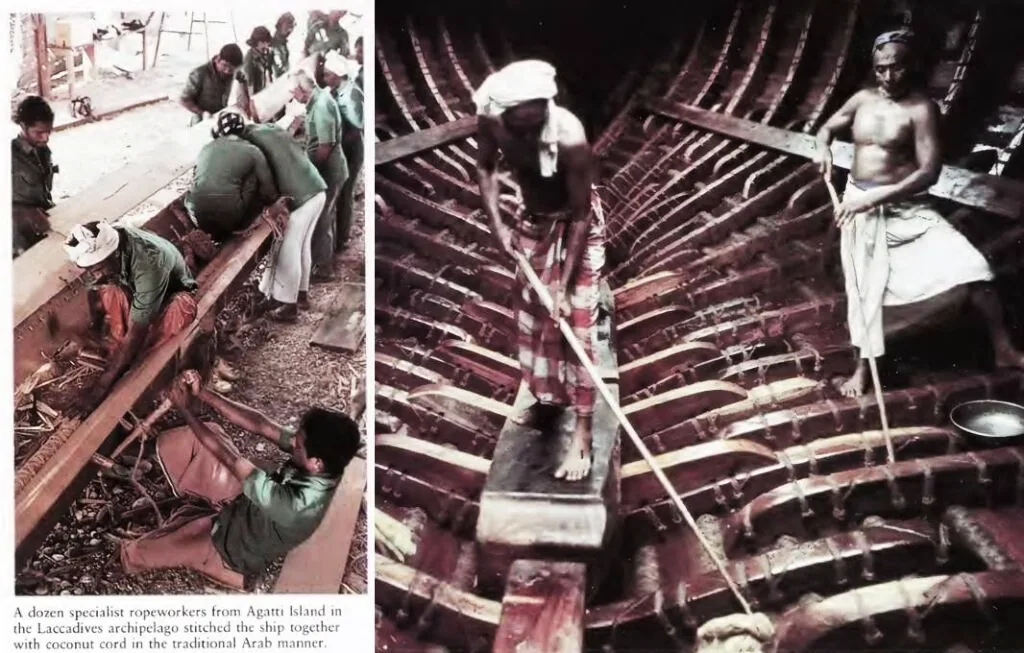
A reconstructed sailing vessel carried Lakshadweep’s maritime knowledge far beyond the islands.