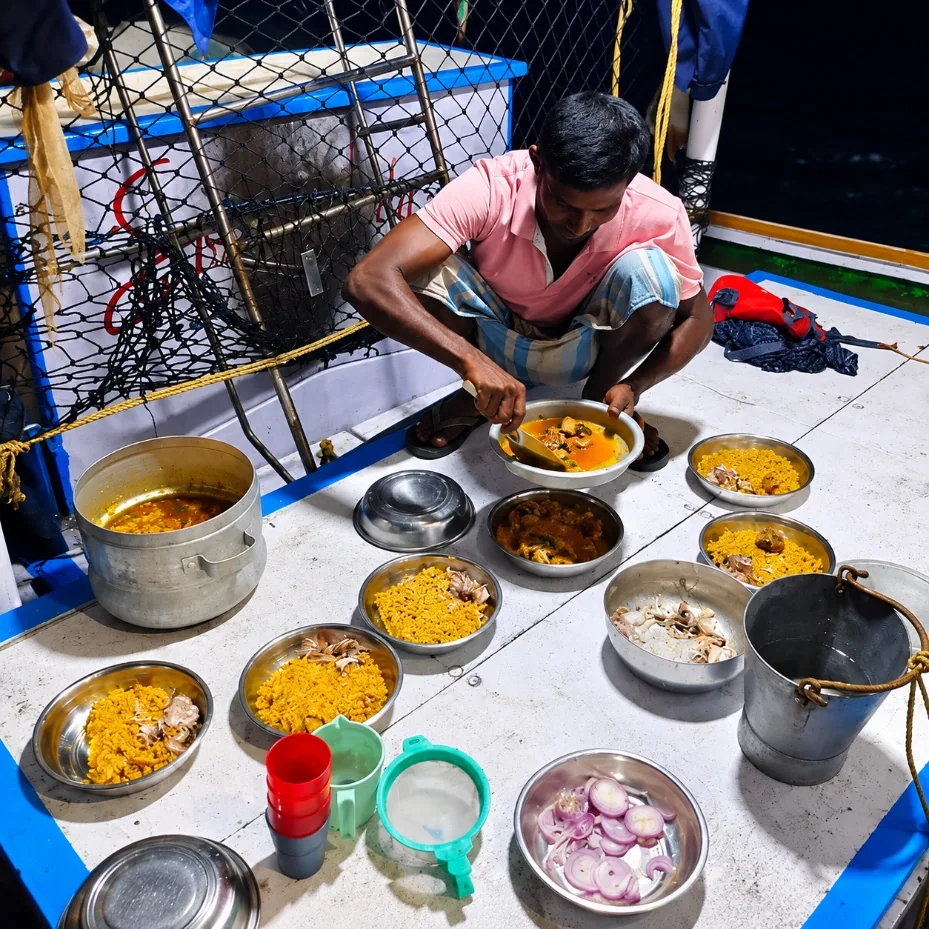
Eat, pray, fish
From a boat’s makeshift stove to the family kitchen, food tells the story of a changing archipelago.
People, history and a changing ocean. Take your time. Follow your curiosity.
From a boat’s makeshift stove to the family kitchen, food tells the story of a changing archipelago.
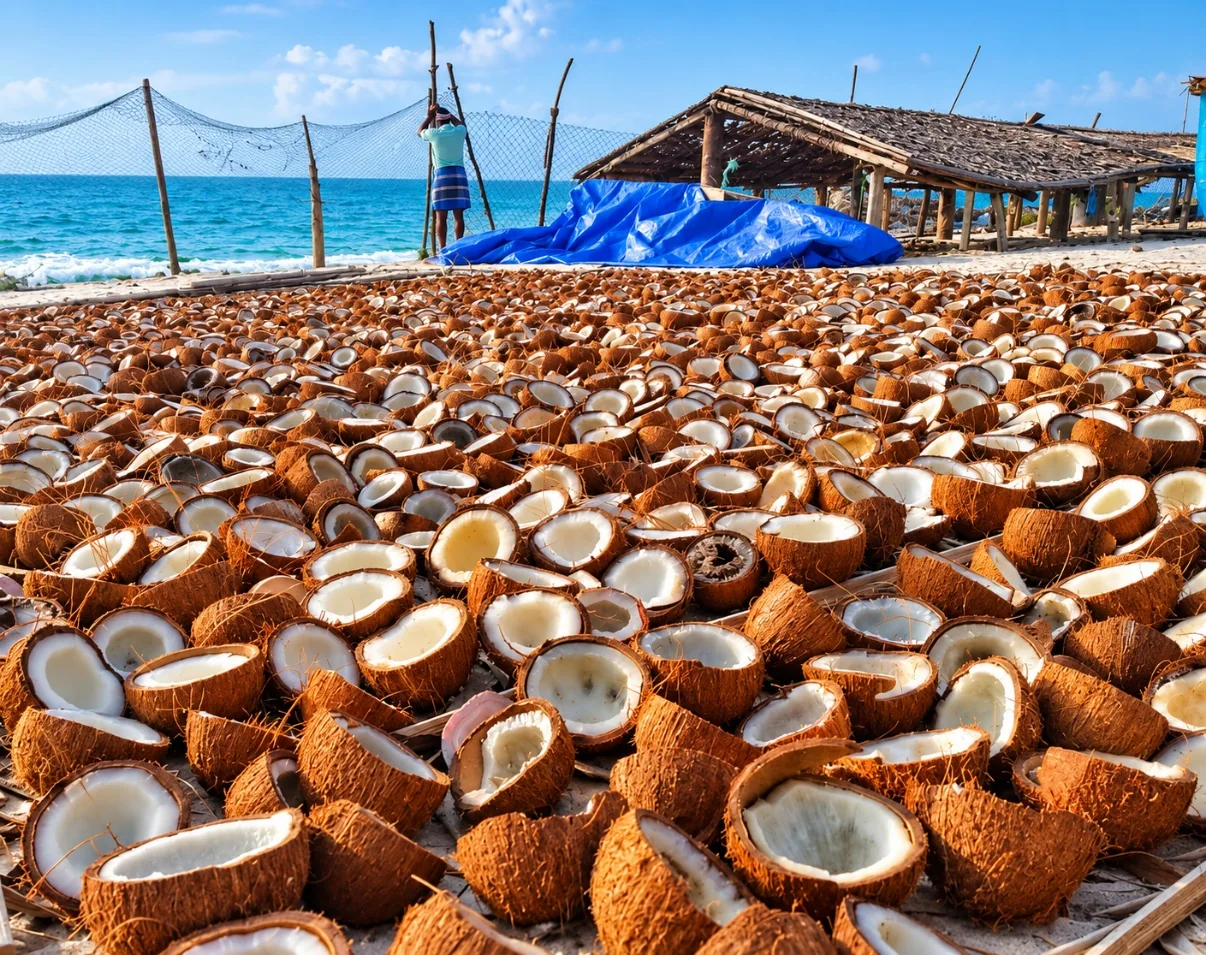
A coconut palm is a landscape, a livelihood and a remarkable store of useful materials.
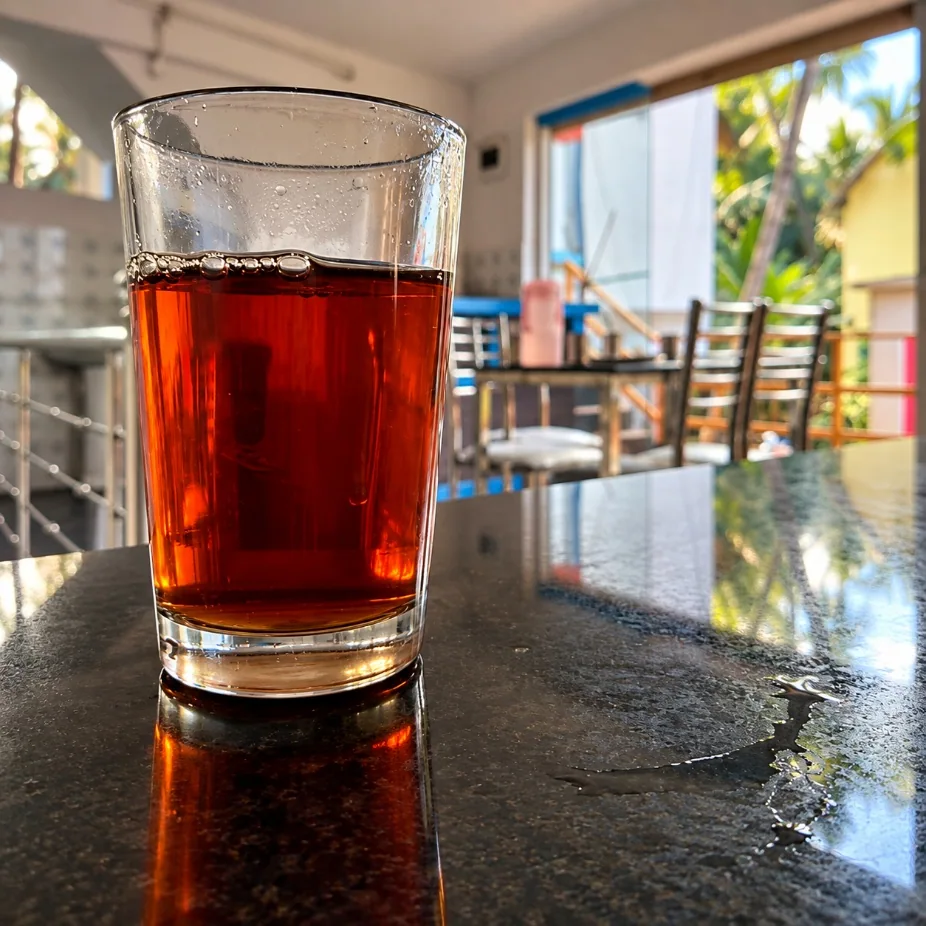
At a tea shop table, the pace of island life becomes a little easier to understand.
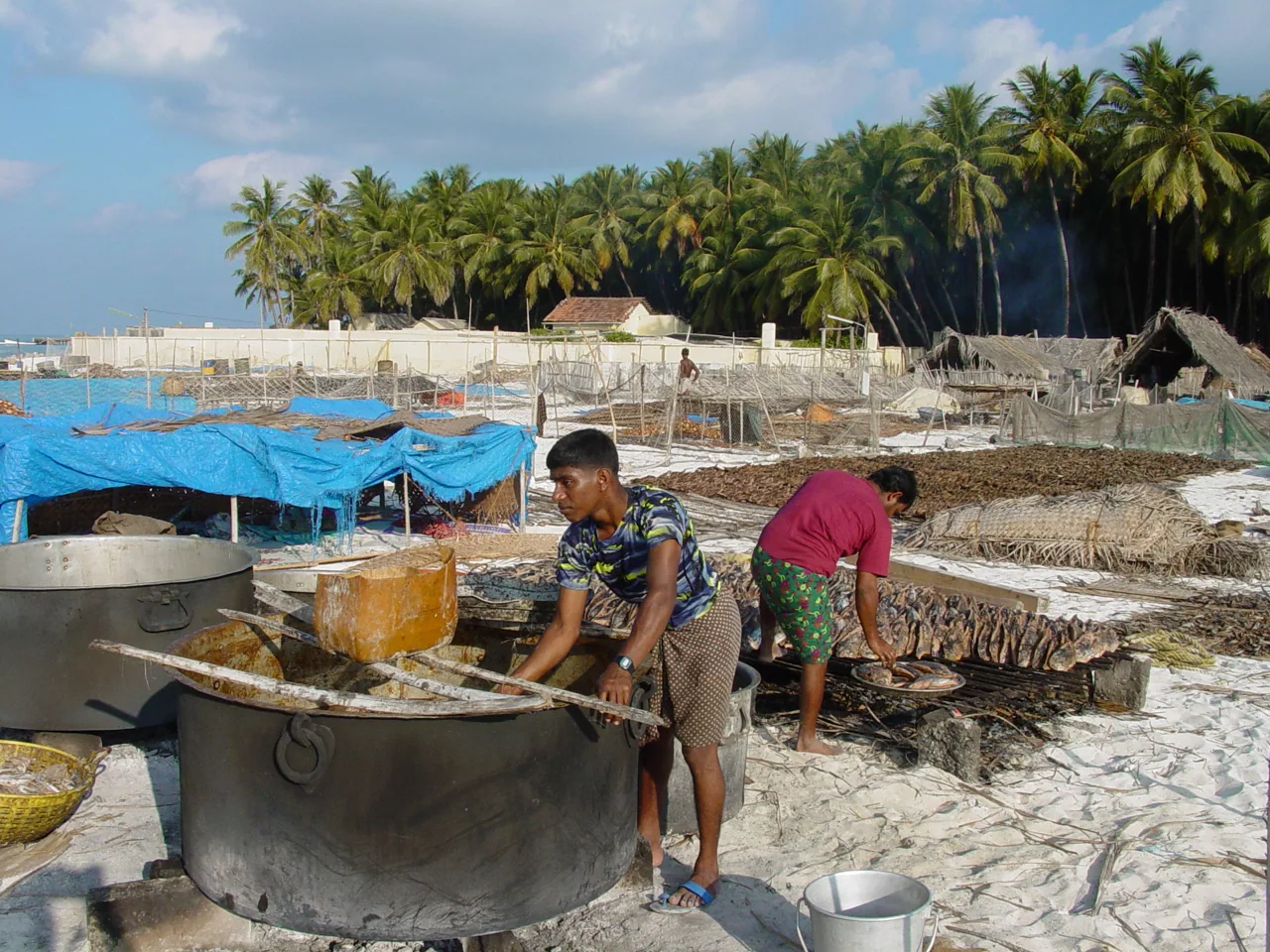
In the making of mas, a fresh tuna catch becomes food, income and a connection between generations.
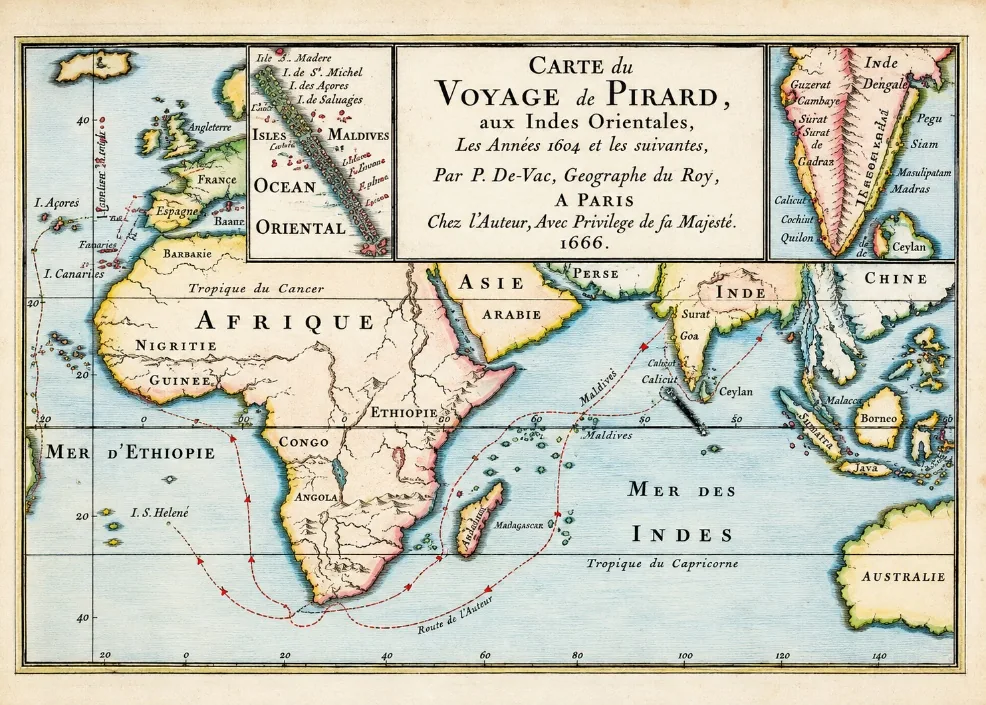
Minicoy’s language, seafaring traditions and remembered past connect it to a wider Indian Ocean world.
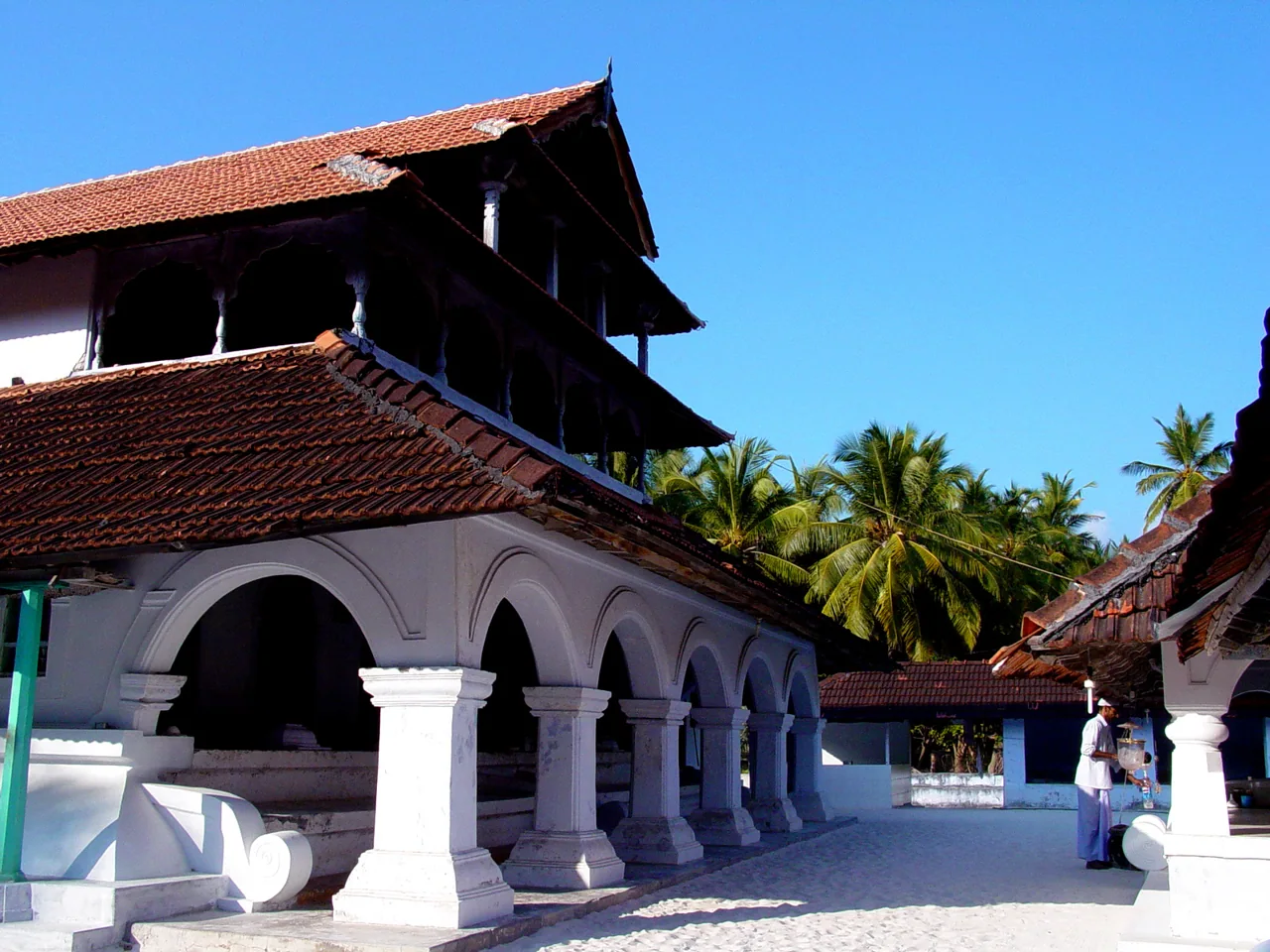
The story of Islam in Lakshadweep brings together maritime exchange, sacred places and cherished traditions.
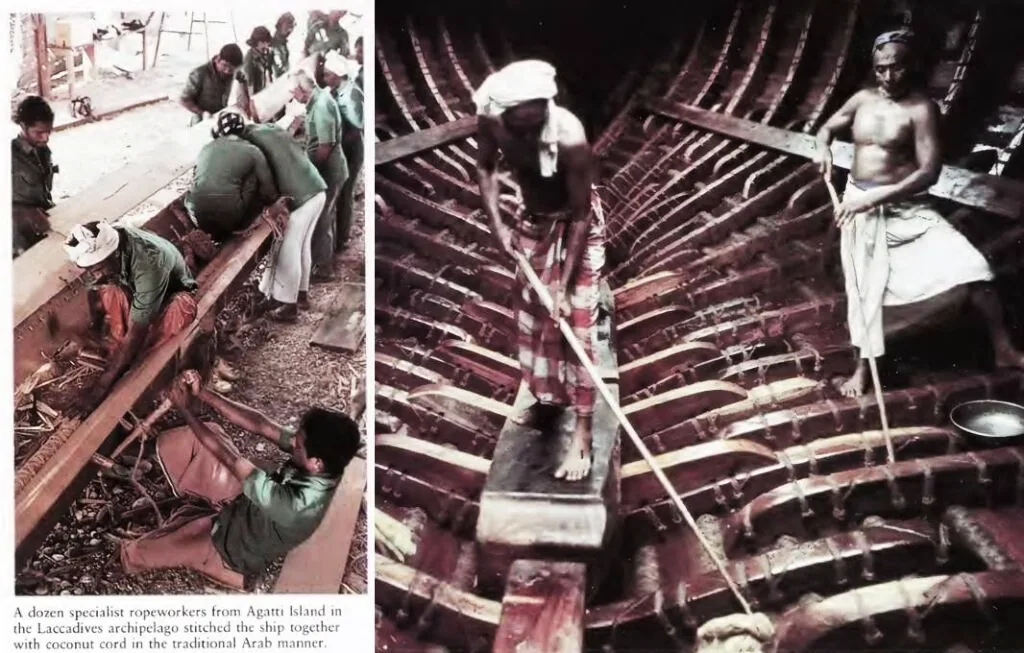
A reconstructed sailing vessel carried Lakshadweep’s maritime knowledge far beyond the islands.
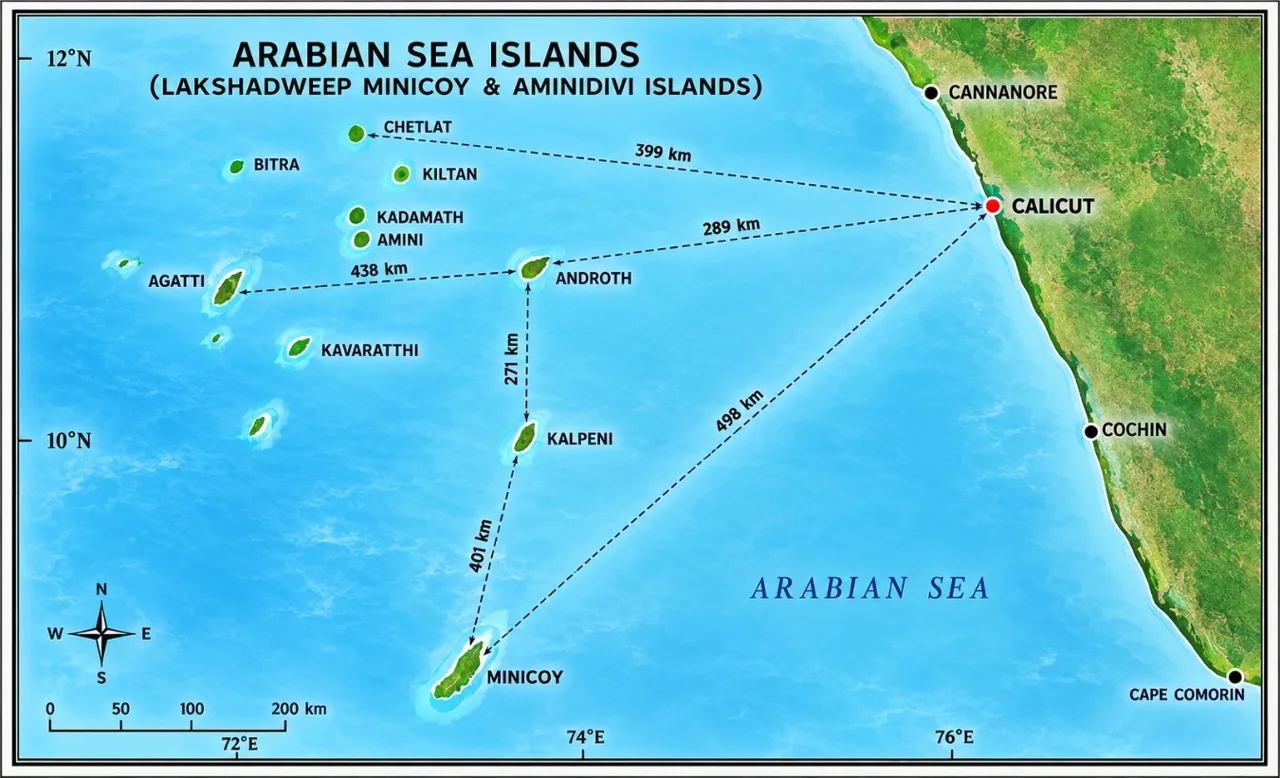
The name Lakshadweep holds a familiar translation—and a more complicated history of interpretation.
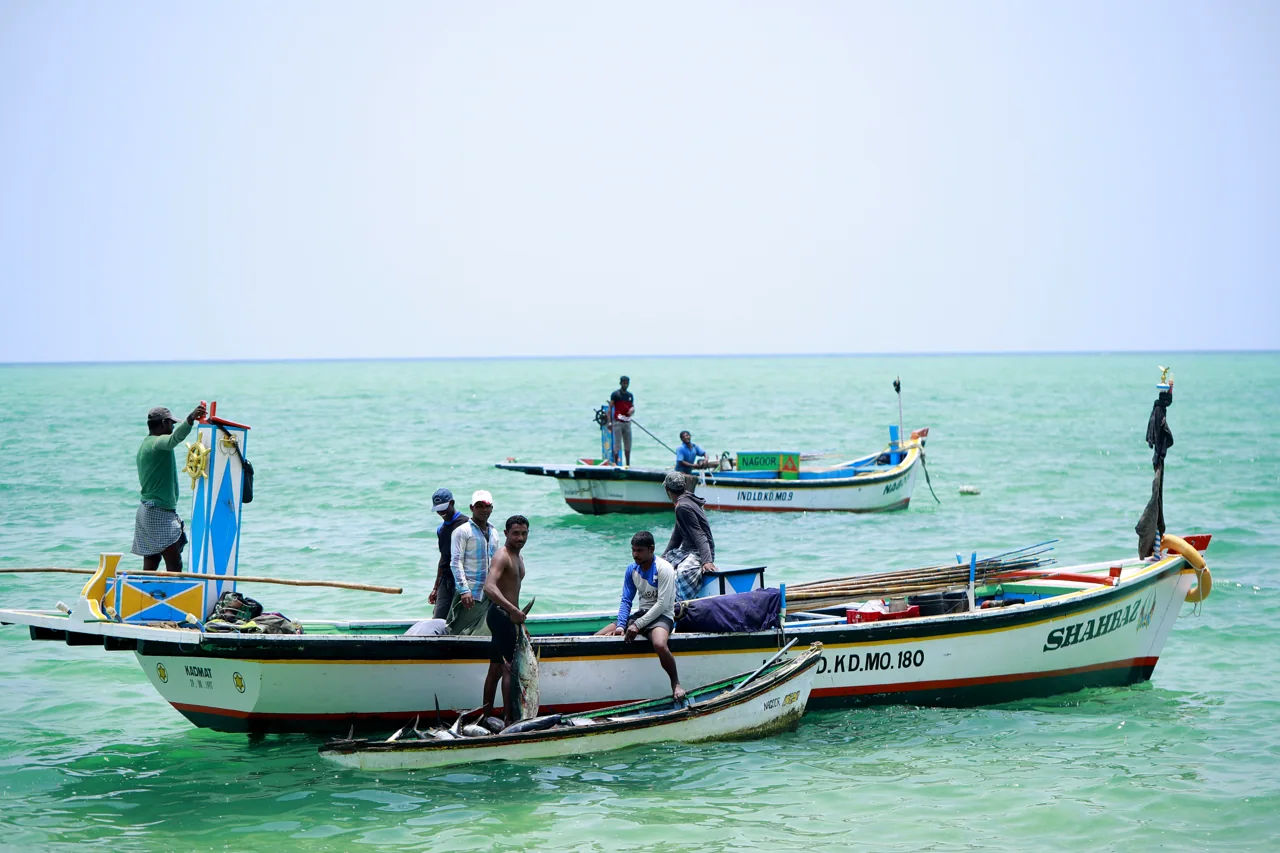
One pole. One line. A relationship with the ocean built on generations of knowledge.
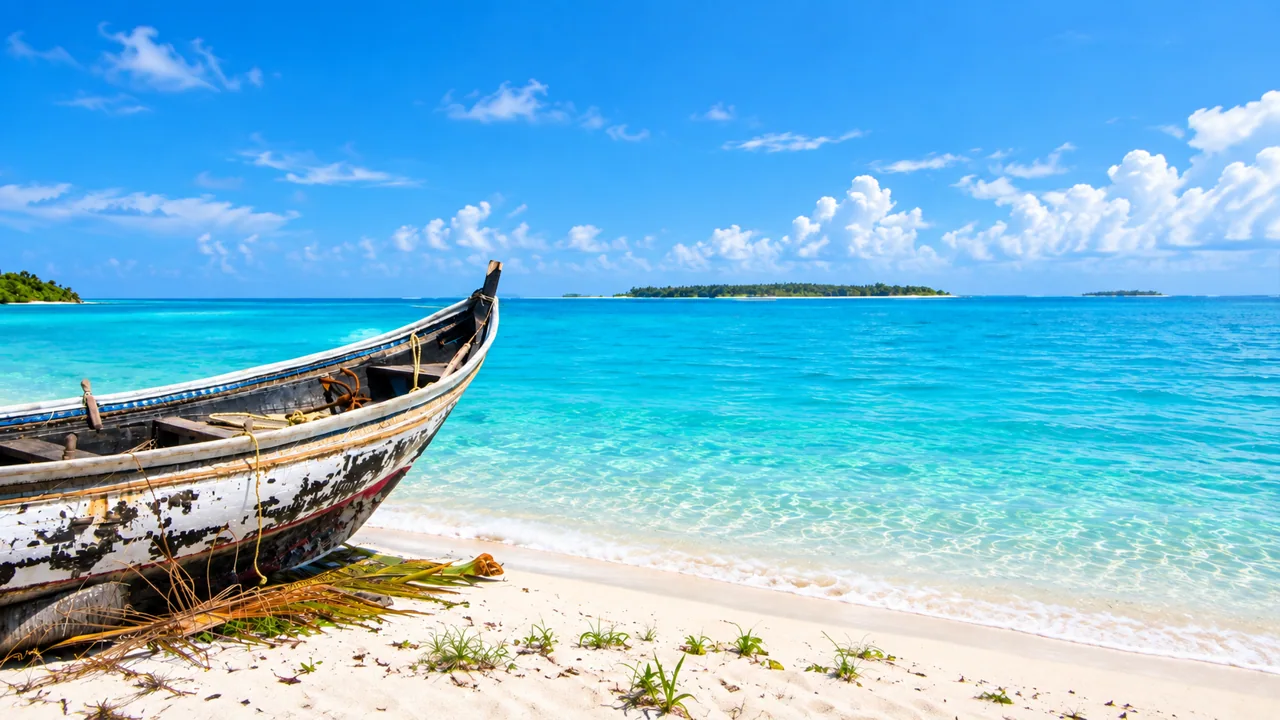
Beneath the coral sand lies a small, replenishable reserve that helps make island life possible.
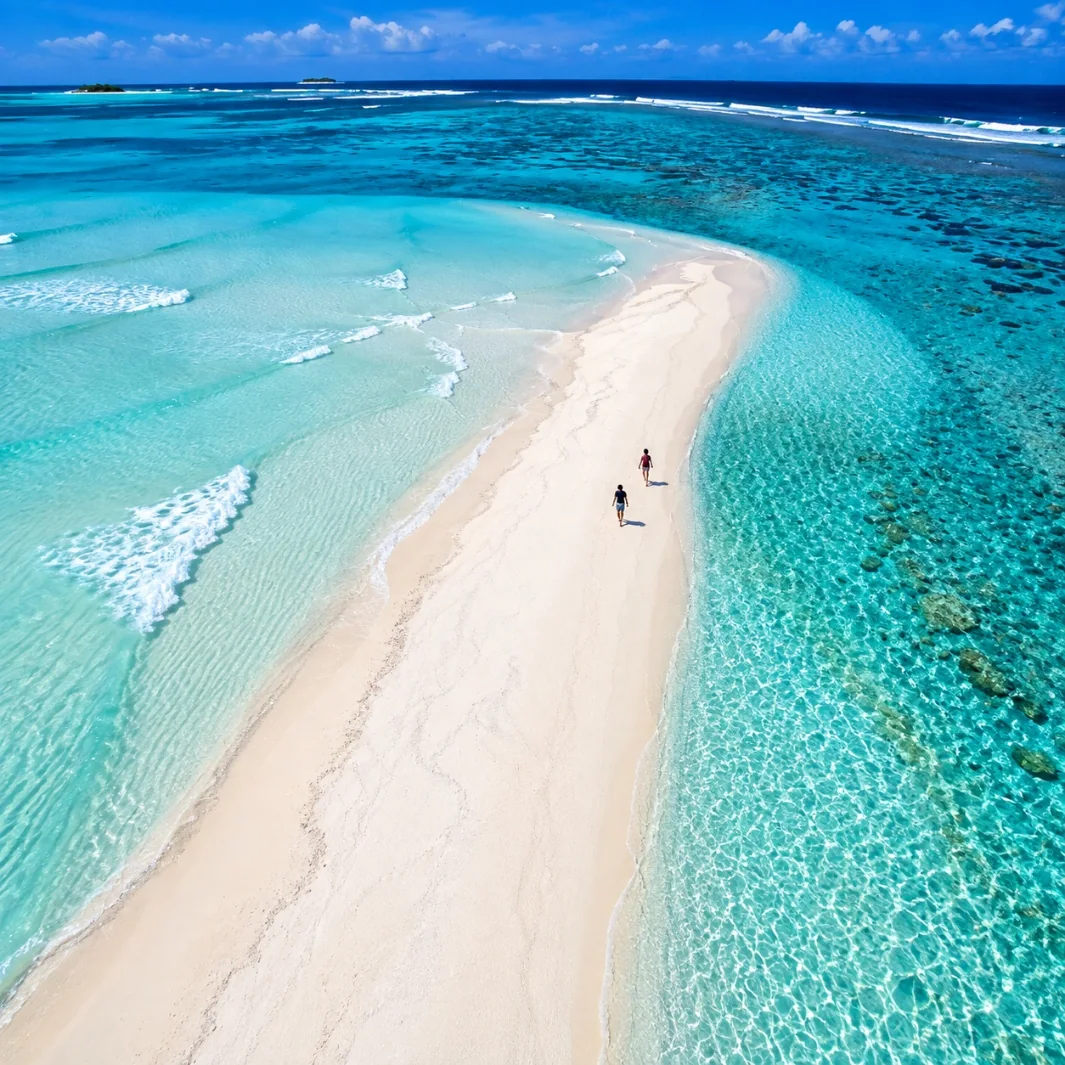
Coral, sand, waves and time: the processes that shape the ground beneath Lakshadweep.
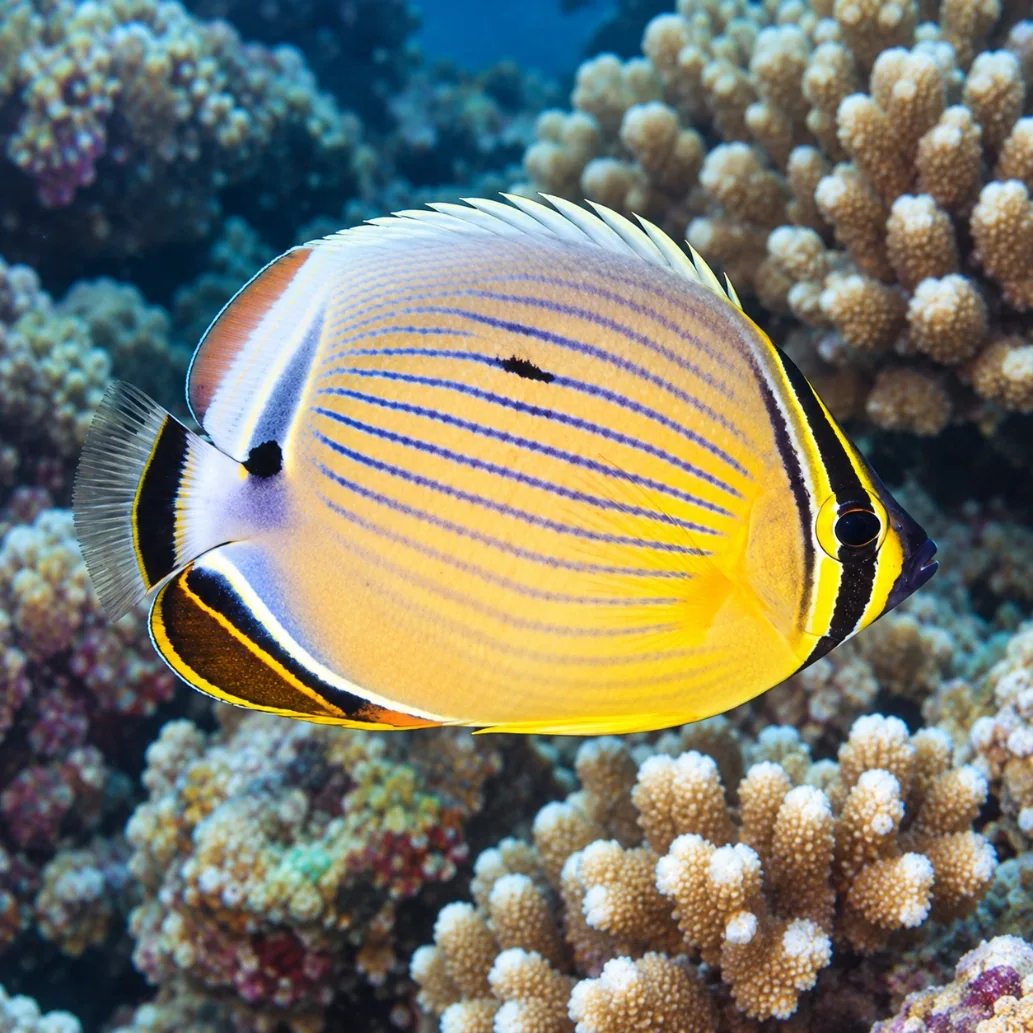
Melon butterflyfish reveal both the possibilities and the limits of adapting to coral loss.
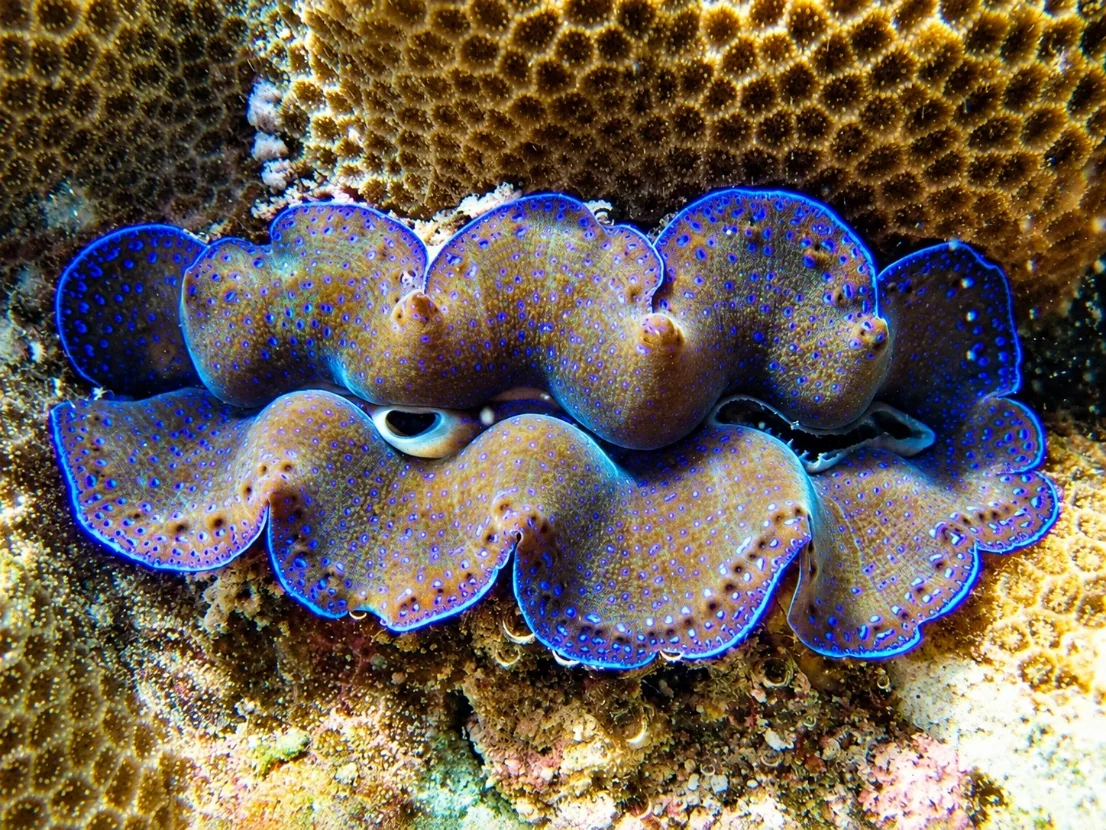
Giant-clam shells preserve clues that can help researchers reconstruct past conditions in the lagoon.
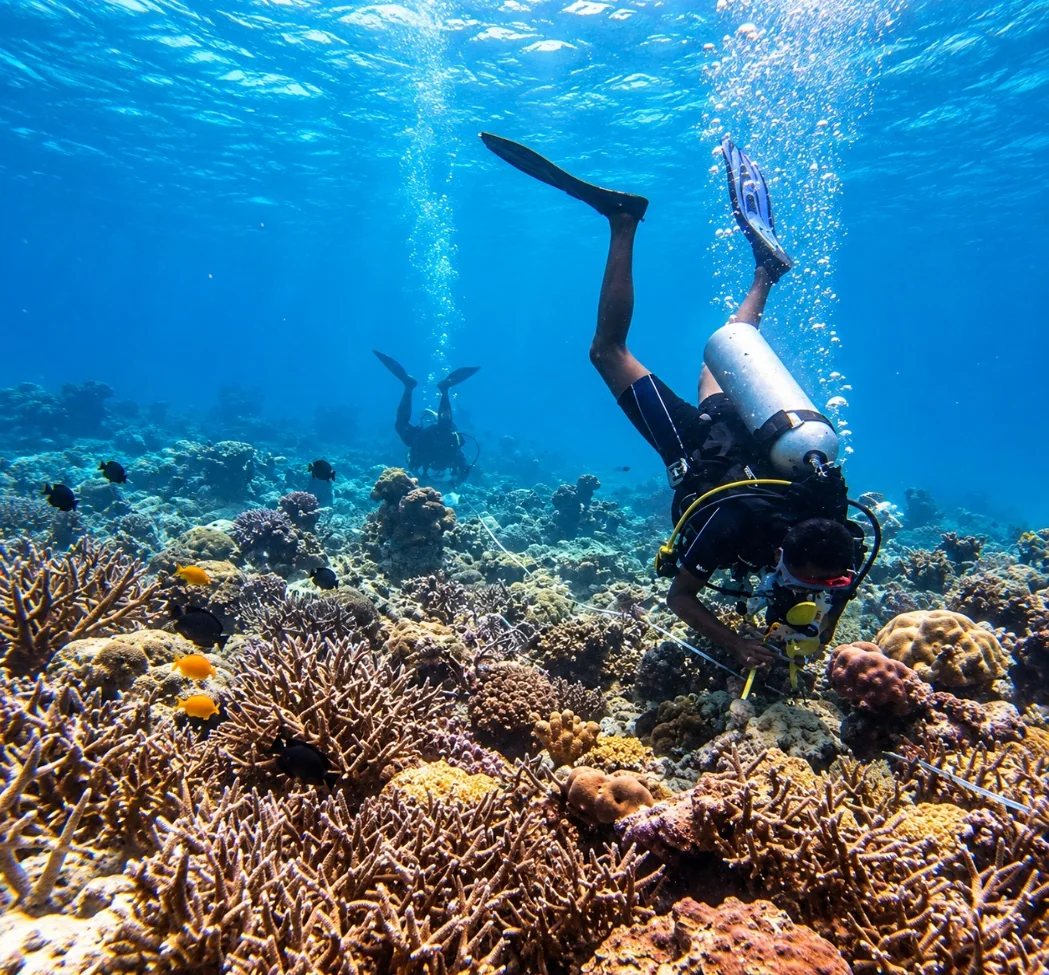
What happens when scientific records and island memories describe environmental change in different ways?
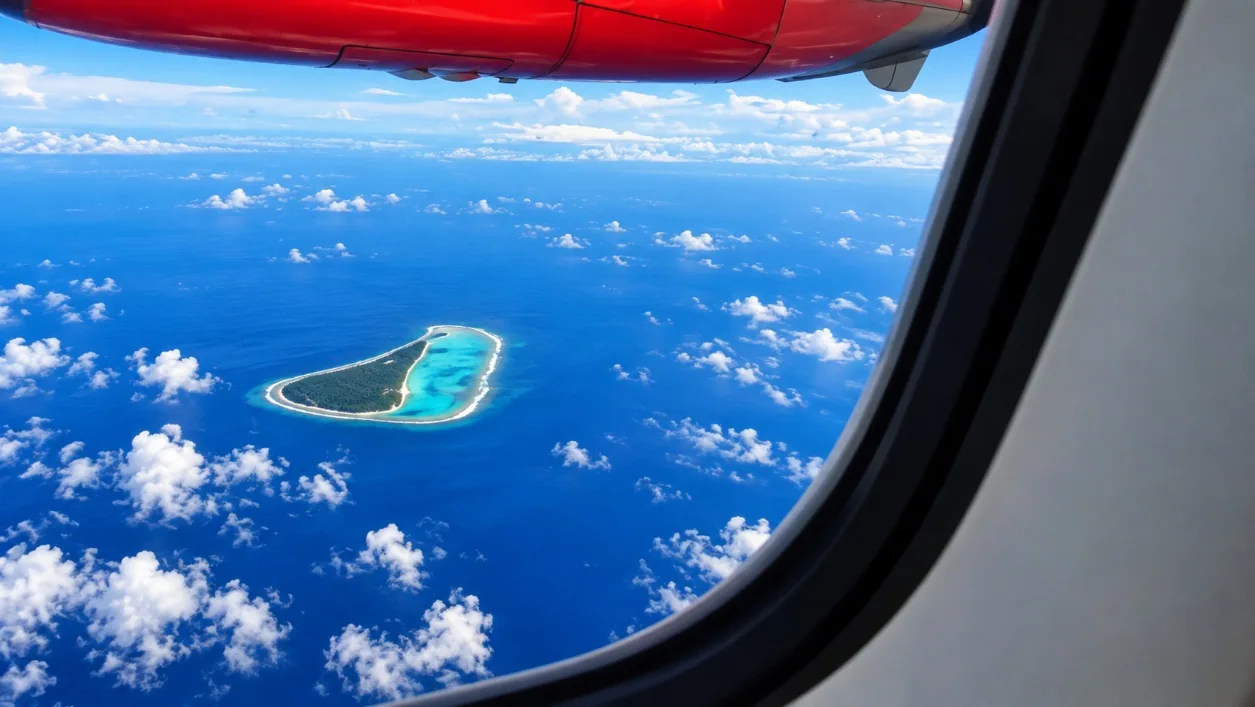
A journey to Lakshadweep is also a lesson in the connections that keep island life moving.
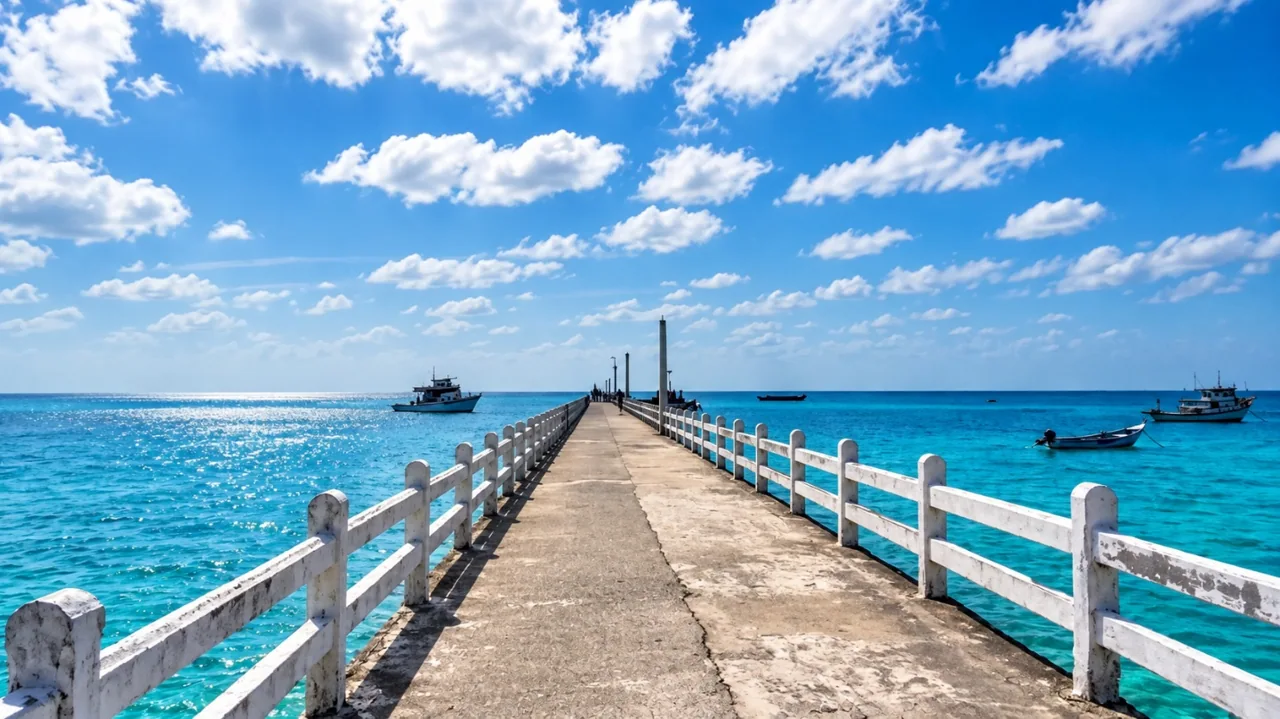
A closer look at the places that make up Lakshadweep reveals many distinct ways of island life.