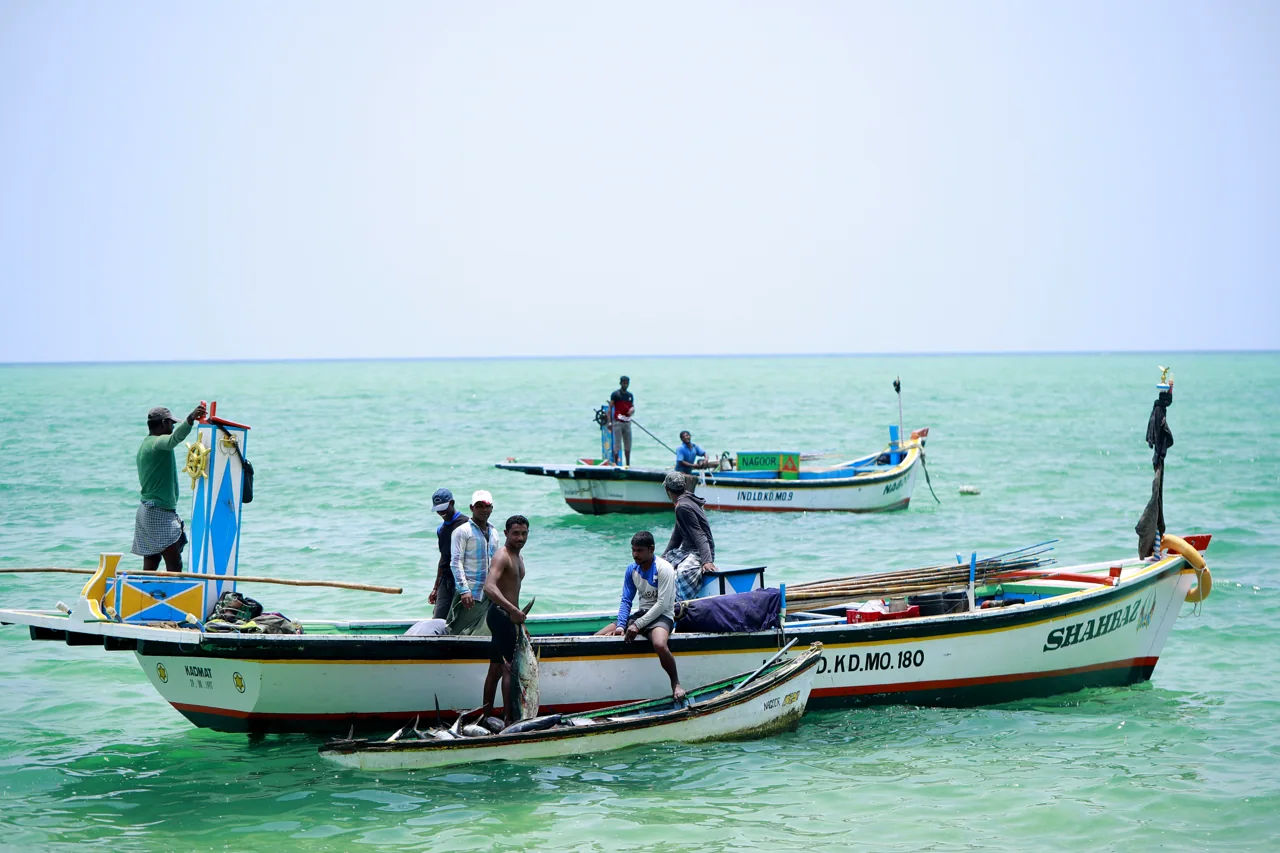
Fishing for sustainability
One pole. One line. A relationship with the ocean built on generations of knowledge.
Beneath the coral sand lies a small, replenishable reserve that helps make island life possible.

An island can be surrounded by water and still struggle to find enough to drink. In Lakshadweep, rainfall seeps through porous coral sand and contributes to a freshwater lens above denser saline groundwater.
This is a changing groundwater system. Its size and salinity respond to rainfall, island width, the permeability of the ground, tides and water use. It is replenished by rain and can shrink during dry periods; it is not an ancient, sealed underground reservoir.
Pumping removes freshwater from the lens. If extraction is too intense, saltier water can move towards a well. Contamination from poorly managed wastewater or fuel can create a separate problem, even where water remains available.
The Central Ground Water Board’s studies describe Lakshadweep’s freshwater lenses and the importance of recharge. Protecting groundwater therefore involves both how much water is withdrawn and what is allowed to enter the ground.
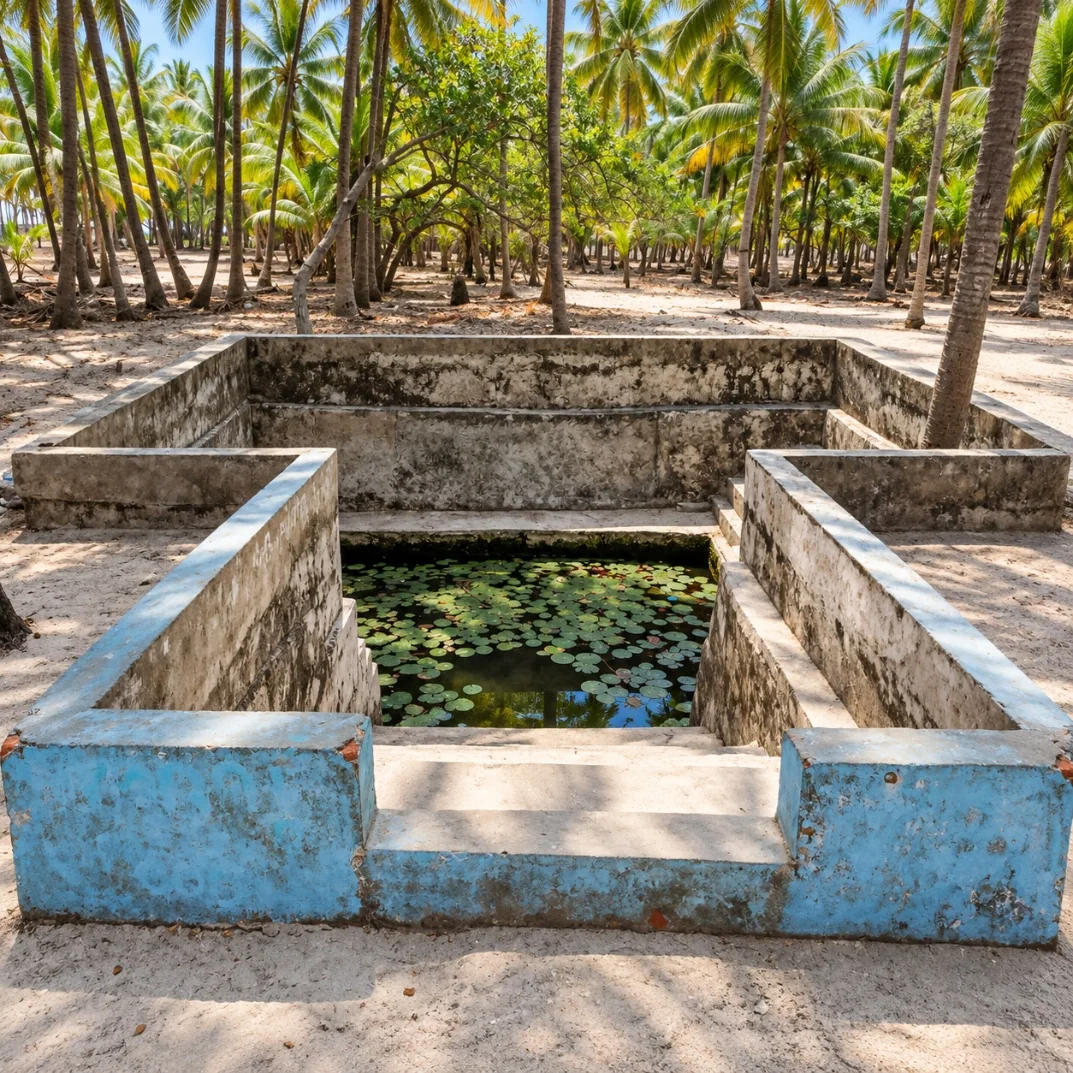
Paving, building and waste disposal affect the shared resource beneath neighbouring properties. A clean well cannot be protected by attention to one compound alone. The source essay calls for an island-wide approach to water use and sanitation.
Reefs also matter. By reducing wave energy, they help protect the shore; damage to the reef, severe storms and seawater flooding can add pressure to low-lying islands and their groundwater.
Wells, captured rainwater and desalination each have a role. Depending on a single system leaves a community vulnerable to dry spells, contamination or equipment failure. Water planning should consider how these sources work together.
Any discussion about new buildings or tourism capacity also needs to ask where the water will come from. The lens is renewed by rainfall, but its resilience is not unlimited.
Adapted from Freshwater fragility in a saltwater world.docx. The unpublished household-use estimate in the original is omitted. The explanation of groundwater recharge has been corrected: freshwater lenses are dynamic systems, not water stores that require centuries to refill.
About this journal’s editorial approach ↗One pole. One line. A relationship with the ocean built on generations of knowledge.
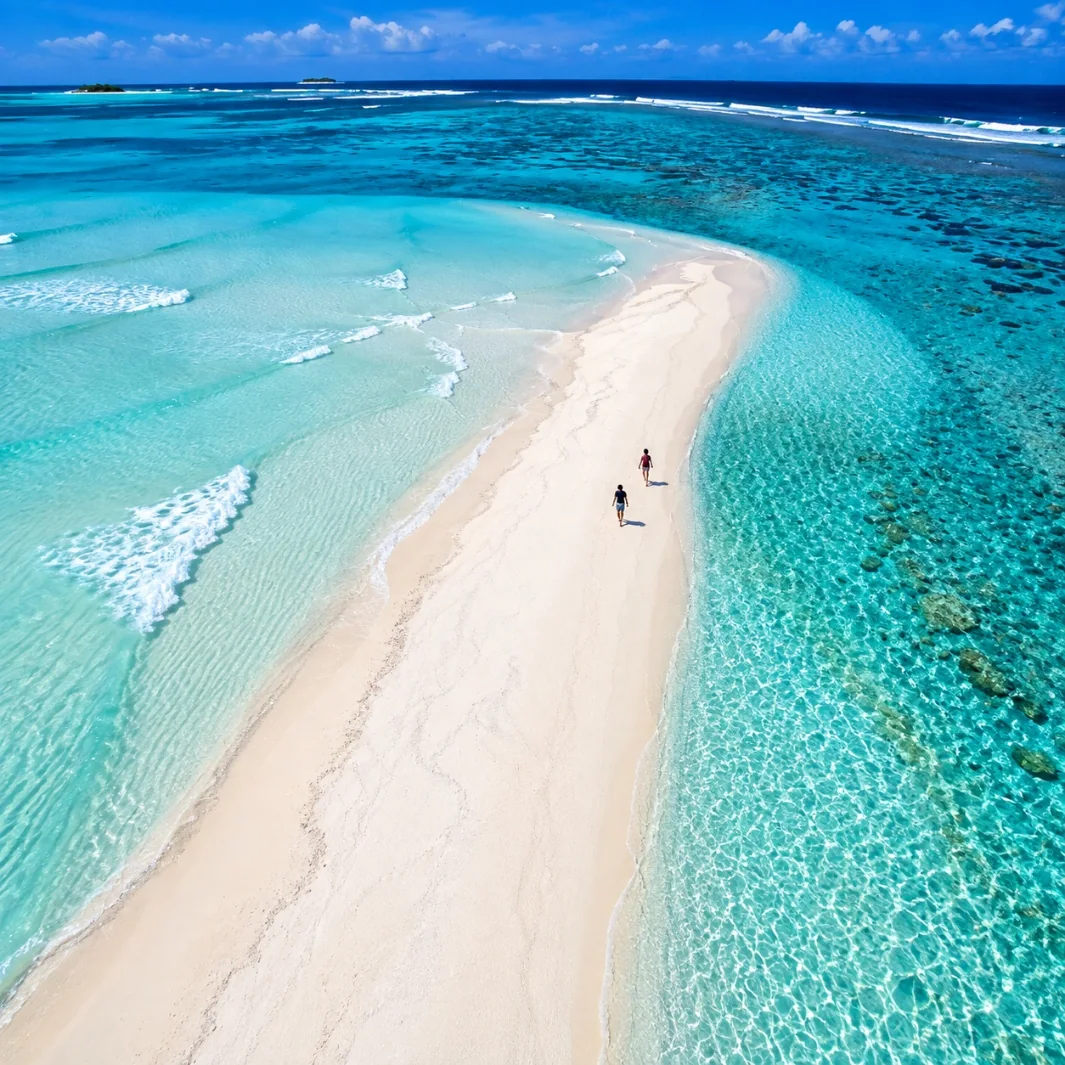
Coral, sand, waves and time: the processes that shape the ground beneath Lakshadweep.