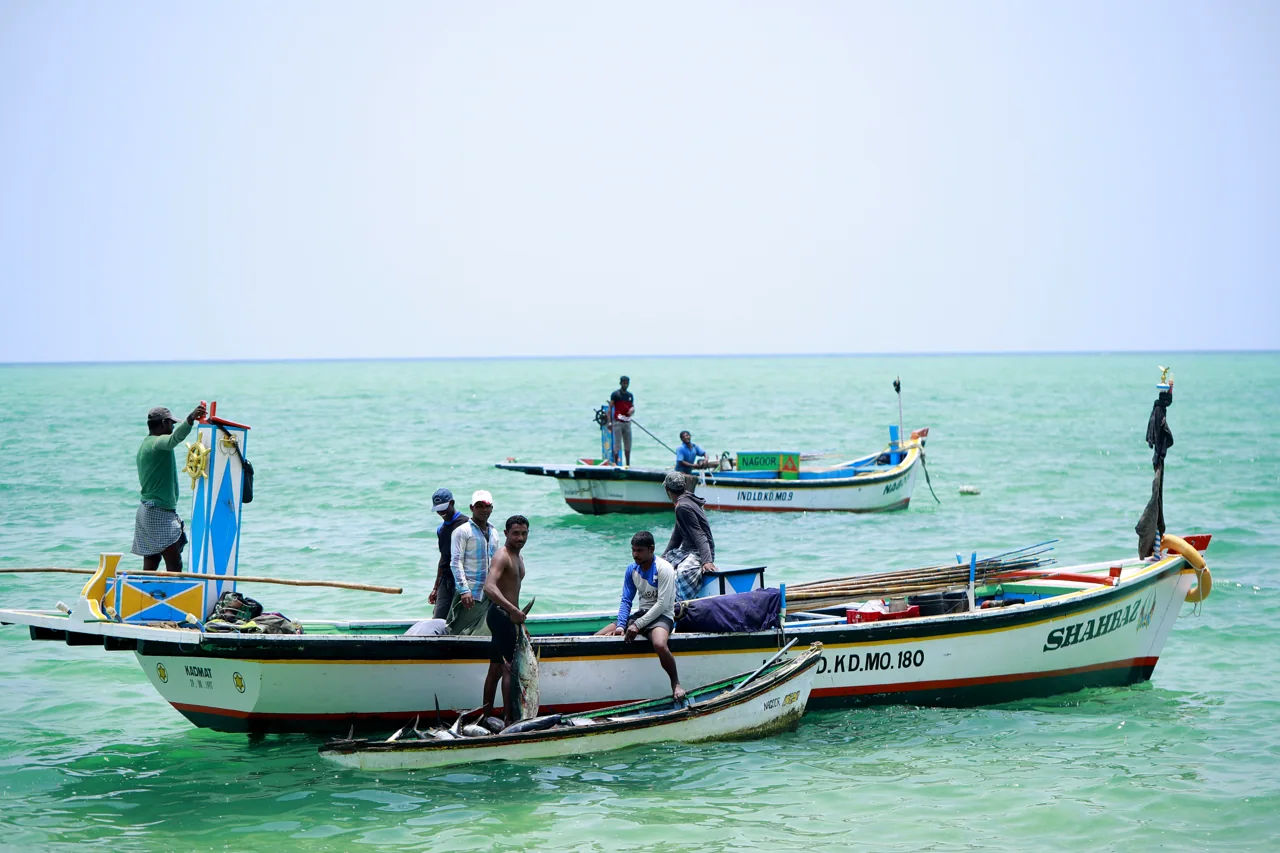
Fishing for sustainability
One pole. One line. A relationship with the ocean built on generations of knowledge.
Coral, sand, waves and time: the processes that shape the ground beneath Lakshadweep.
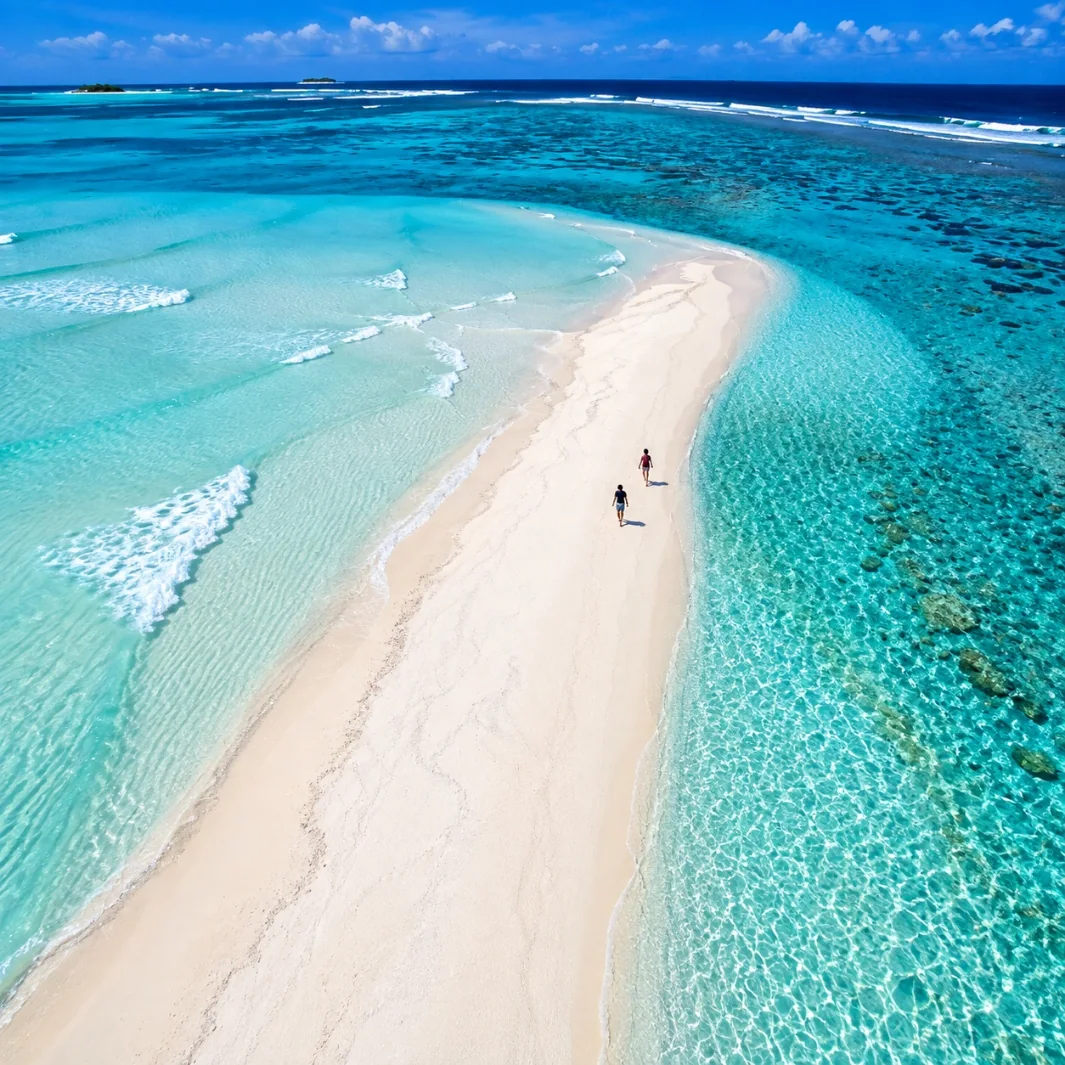
Look closely at coral-island sand and the landscape begins to tell a different story. The grains include fragments of organisms that lived in the surrounding sea. Reefs supply material that waves and currents break down, move and sometimes gather into islands.
Lakshadweep’s atolls sit on the submarine Laccadive–Chagos ridge. Their present form reflects a long geological history as well as the continuing work of living reefs, shifting sediment and changing sea level.
Corals are animals. Reef-building species produce calcium-carbonate skeletons, and many live in partnership with microscopic algae within their tissues. Those algae use sunlight and provide much of the energy that supports the coral.
Over long periods, the accumulation of skeletons helps build reef structures. The familiar atoll model describes a reef growing around a subsiding volcanic island until a ring of reef surrounds a lagoon. Real reef histories also depend on local geology and sea-level change.
A coral island is not simply a reef that has finished growing. It is a body of sediment shaped by waves, storms and currents. Pieces of coral and other marine organisms are redistributed, beaches change, and the shoreline can move.
Vegetation helps establish conditions for life on land, while rain infiltrates the porous ground. In suitable conditions, freshwater lenses develop above saline groundwater. These relationships connect the reef, the shore and the well.
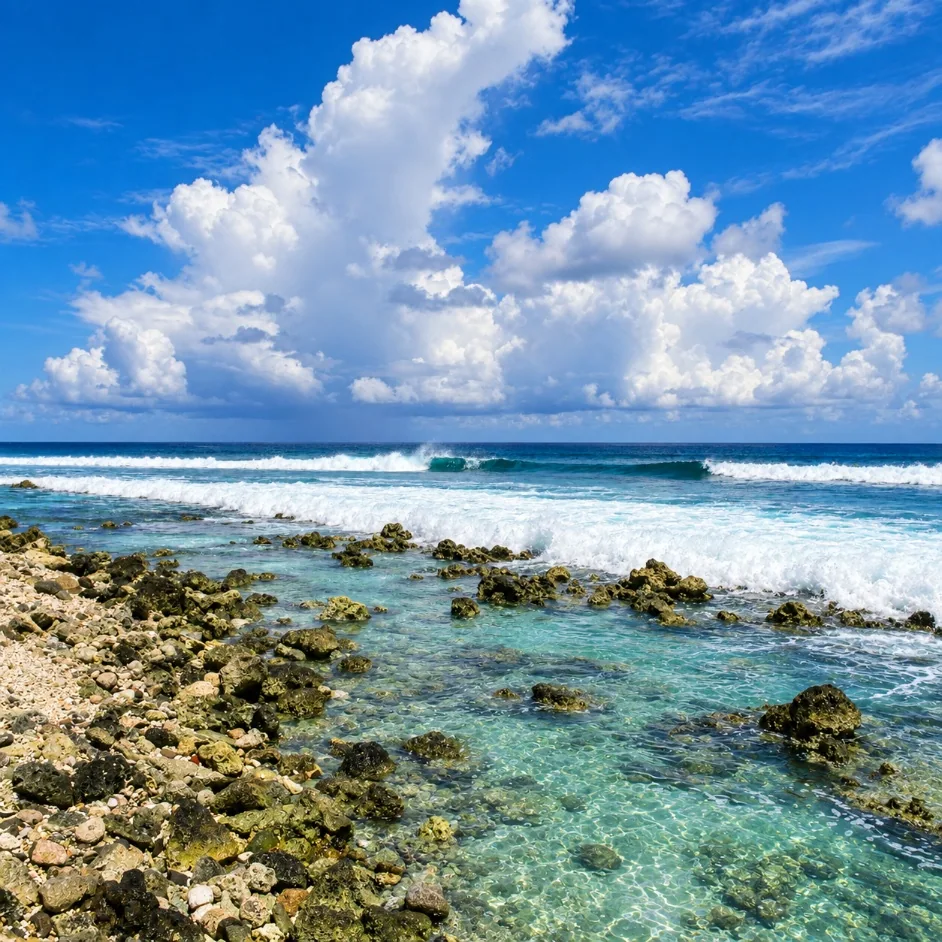
The islands do not follow a simple progression towards a permanent, mature form. Their future depends on sediment supply, reef health, wave conditions, sea level and human interventions at the shore.
Protecting the reef therefore means protecting more than underwater beauty. It means caring for one of the systems that helps build and shelter the land itself.
Adapted from How the Lakshadweep Islands came to be.docx. The incorrect claim that all land formed as one original supercontinent is removed. Corals are correctly identified as animals, and the description of islands as fully matured reefs is replaced with a dynamic sediment-based account.
About this journal’s editorial approach ↗One pole. One line. A relationship with the ocean built on generations of knowledge.
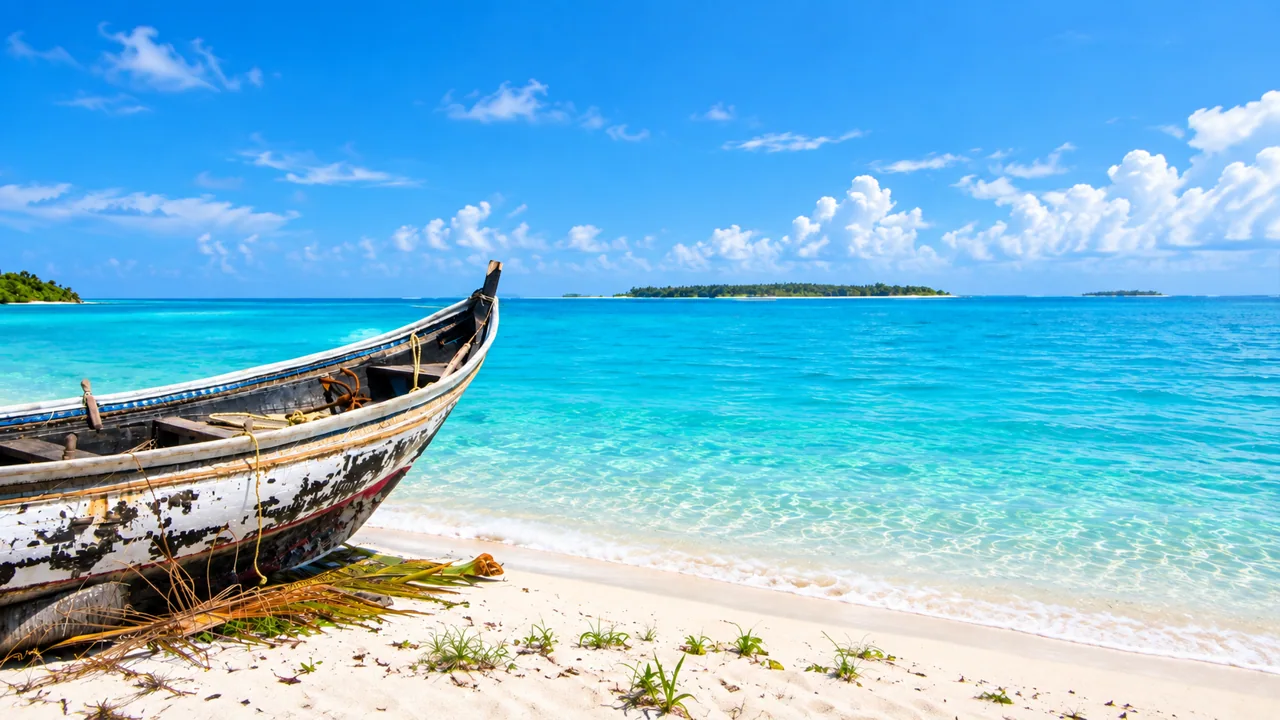
Beneath the coral sand lies a small, replenishable reserve that helps make island life possible.