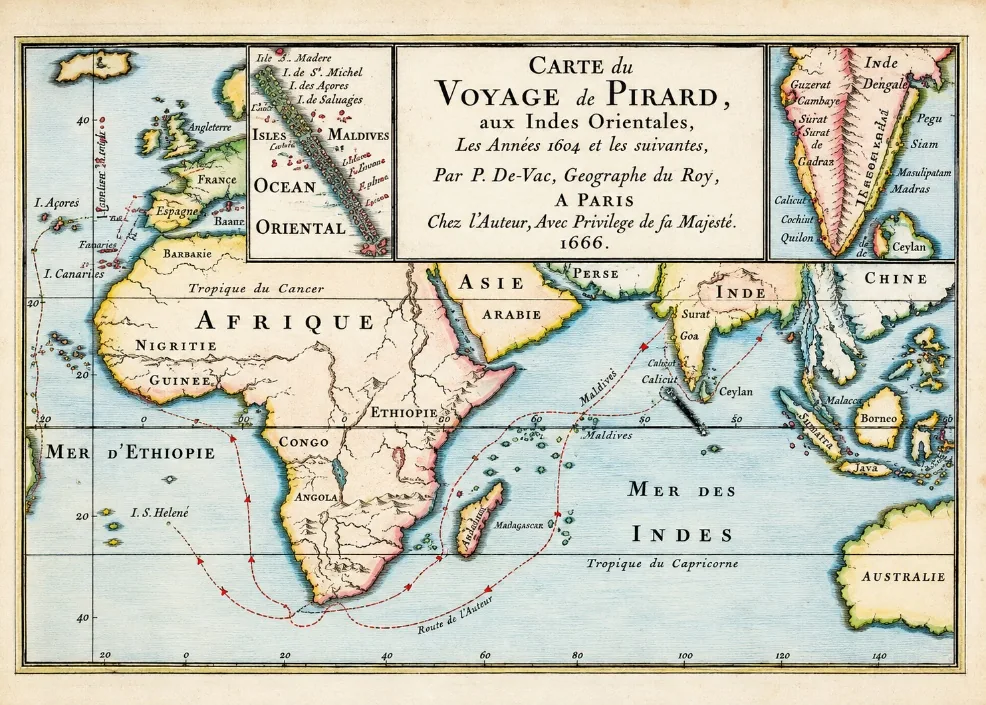
Maliku: an island between worlds
Minicoy’s language, seafaring traditions and remembered past connect it to a wider Indian Ocean world.
The story of Islam in Lakshadweep brings together maritime exchange, sacred places and cherished traditions.
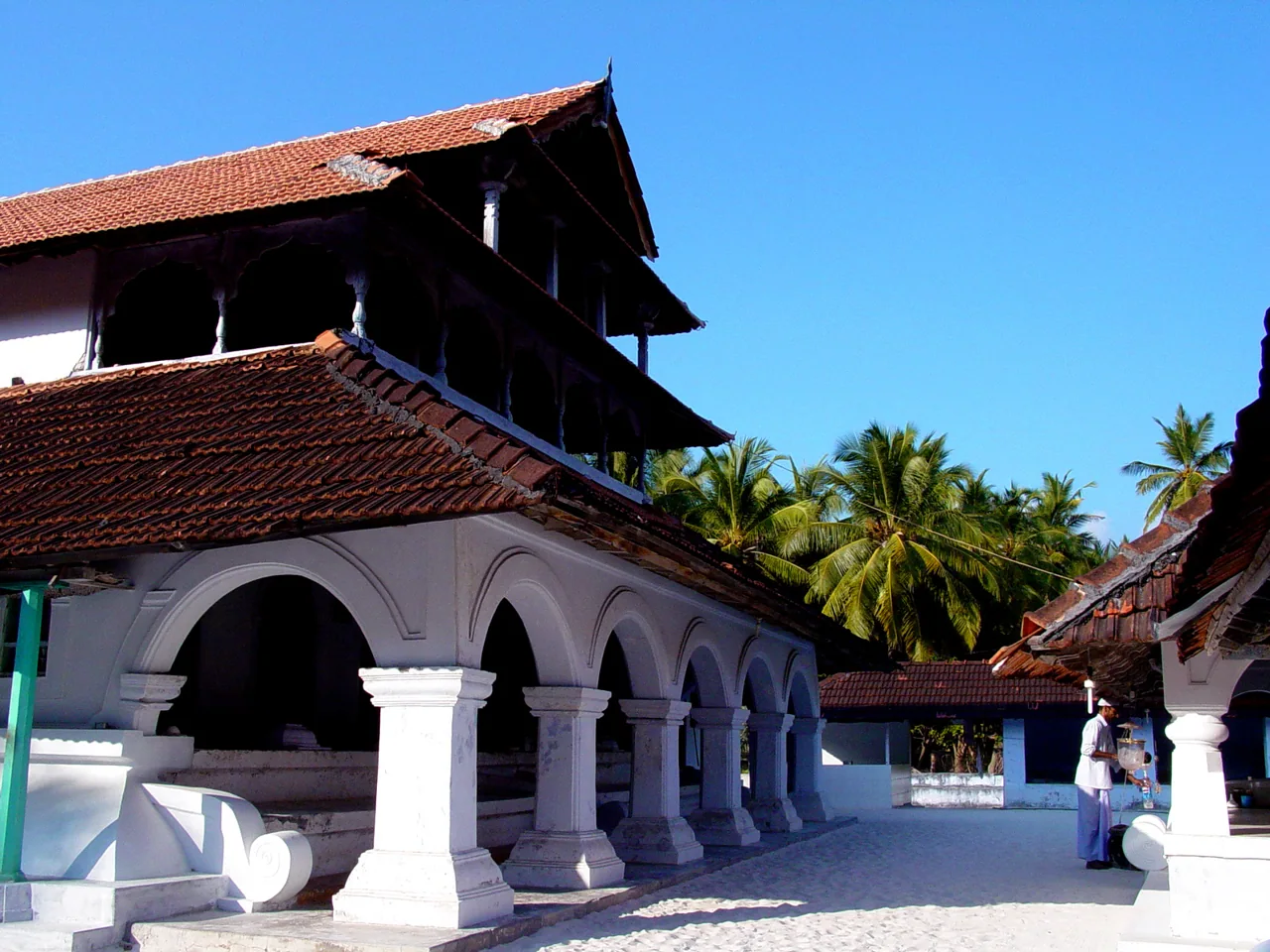
Islam is deeply woven into Lakshadweep’s religious and social life. Mosques, teaching traditions and shared observances connect island communities, while older buildings show the influence of regional materials and craftsmanship.
The early chronology is less certain than the living heritage. The official historical account itself acknowledges that the islands’ early history is obscure. Stories about religious change therefore need to distinguish community remembrance from documentary evidence.
A widely told tradition links the arrival of Islam to Ubaidullah, a traveller from Arabia who reached the islands after a shipwreck. In the account, he travelled between islands, preached and eventually settled at Andrott, where his tomb is revered.
The story is central to local religious memory. Its episodes and seventh-century dating are not independently verified here, and the various chronological arguments in the source do not resolve the question conclusively.
The source places these traditions within the archipelago’s connections to the Malabar coast and wider Indian Ocean trade. Seafarers carried beliefs, language and customs along with goods. Minicoy’s links to the Maldives add another strand to this history.
Accounts involving Cheraman Perumal also belong to this landscape of memory. They are presented as legends, whose versions and dates vary, rather than as a settled explanation for the islands’ population or religious identity.
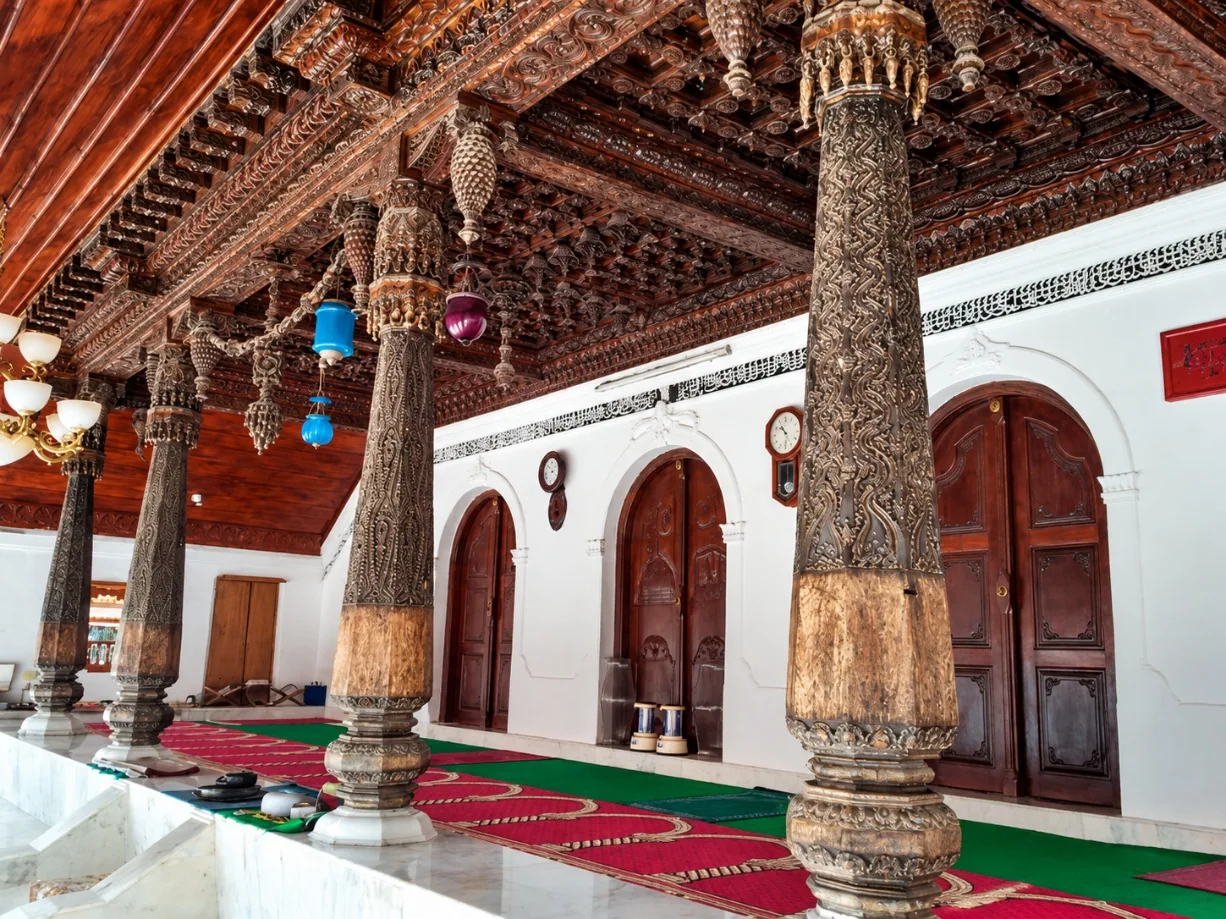
The supplied photographs show prayer spaces ranging from simple buildings to richly carved interiors. Architecture makes cultural exchange tangible: white walls, timber details and tiled roofs sit within an island landscape.
Understanding this heritage means respecting both the certainty of its present significance and the gaps in its earliest records. A sacred tradition need not be treated as a verified chronology to be understood as meaningful.
Adapted from How Islam came to Lakshadweep.docx. The source’s contradictory population statements and universal three-mosque claim have been removed. Ubaidullah’s arrival and the Cheraman Perumal narrative are described as traditions; an exact conversion date is not asserted.
About this journal’s editorial approach ↗Minicoy’s language, seafaring traditions and remembered past connect it to a wider Indian Ocean world.
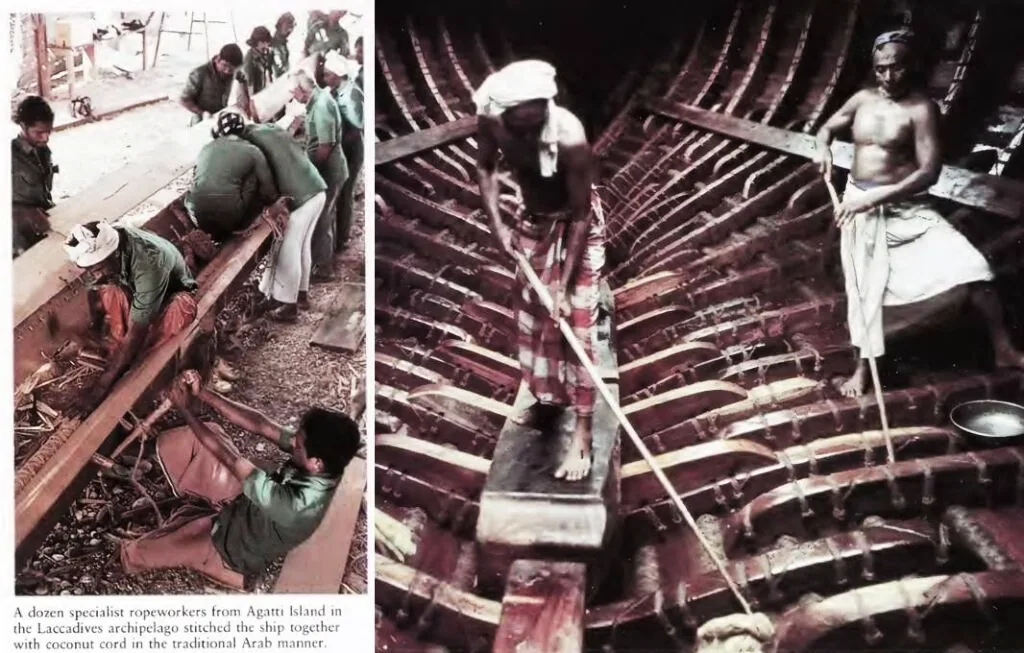
A reconstructed sailing vessel carried Lakshadweep’s maritime knowledge far beyond the islands.