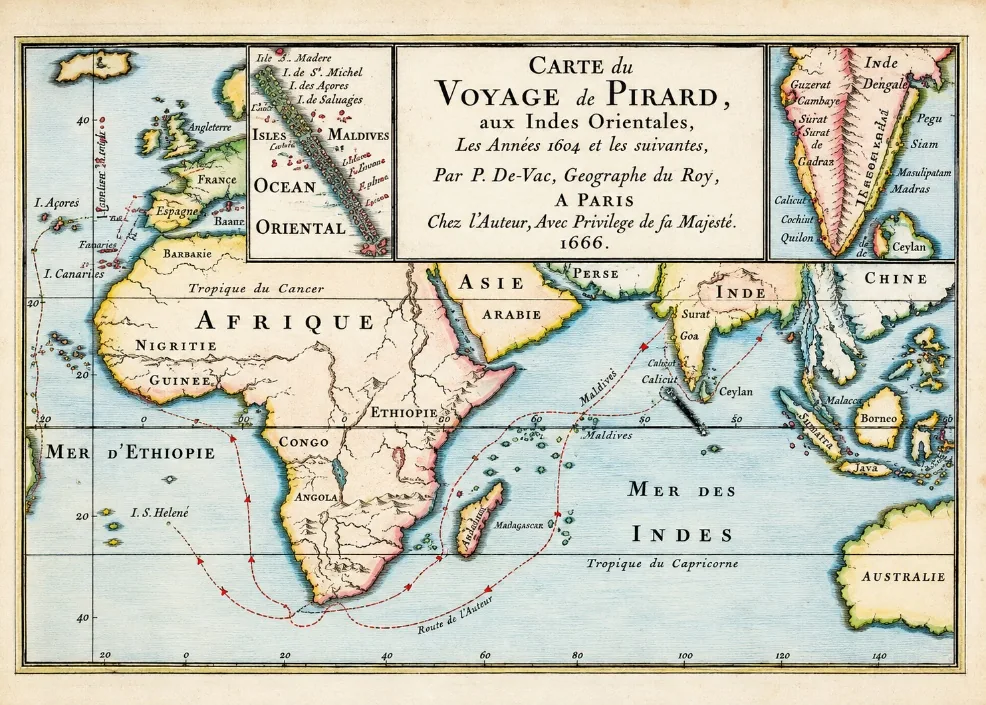
Maliku: an island between worlds
Minicoy’s language, seafaring traditions and remembered past connect it to a wider Indian Ocean world.
A reconstructed sailing vessel carried Lakshadweep’s maritime knowledge far beyond the islands.
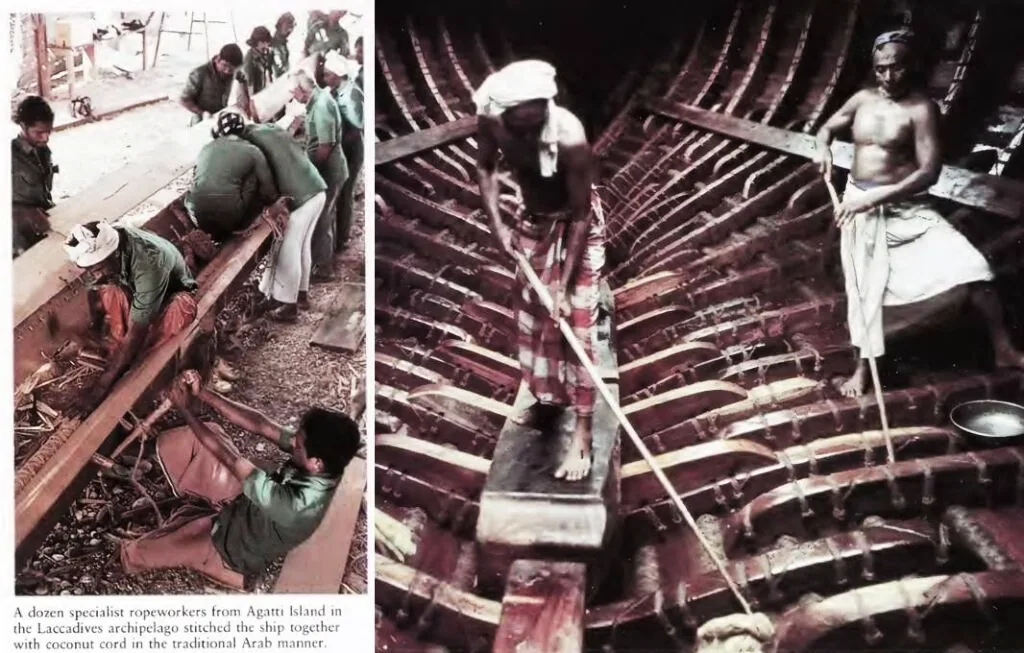
Tim Severin’s Sindbad project asked whether a vessel built using traditional methods could make a long ocean passage. Sohar was constructed with sewn timbers and sailed from Oman towards China by way of the Indian Ocean.
The voyage took place in 1980–81. The supplied essay links its success to the knowledge of Minicoy’s Ali Manikfan and to the coir and craft traditions of Lakshadweep.
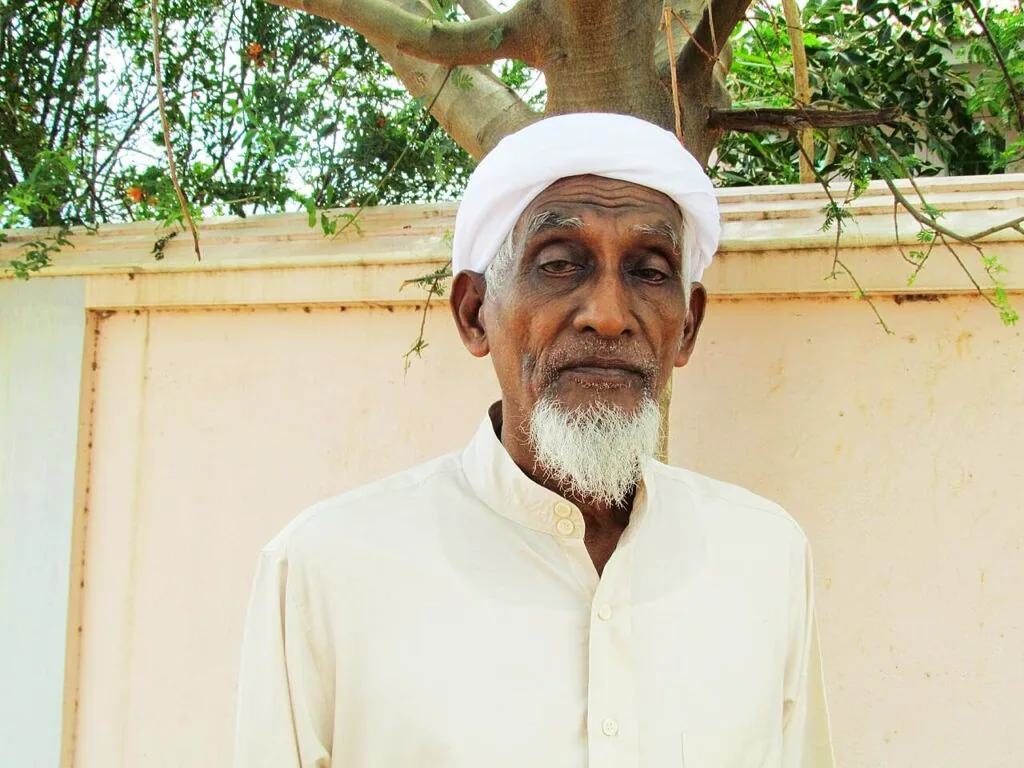
Manikfan appears in the source as a skilled, self-taught observer of ships and marine life. His contribution is a reminder that practical knowledge can span disciplines that institutions often separate: navigation, construction, maintenance and natural history.
The archival images also record the work of ropeworkers and shipbuilders. A voyage celebrated through one explorer’s name depended on many hands.
Severin’s writing offers observations of island life, community responsibilities and customs. It is valuable as a traveller’s account of a particular moment, but it is not a complete description of every island or household.
The source’s romantic picture of a society without conflict should be read cautiously. Claims about crime, governance or an unchanged way of life require stronger evidence than an outsider’s impressions.
Sohar demonstrated the capability of traditional construction and seamanship to support a long-distance voyage. It did not establish that every episode in the Sindbad stories happened as written.
For Lakshadweep, the enduring connection is tangible: coconut fibre, maritime skills and people able to turn inherited knowledge into a working ship.
Adapted from The Lakshadweep of Tim Severin’s time.docx. The voyage is distinguished from later publication dates. Unsupported claims about being the first Western visitor after independence and near-absent crime have been removed. Shipbuilding images in the source are credited to Tim Severin’s The Sindbad Voyage.
About this journal’s editorial approach ↗Minicoy’s language, seafaring traditions and remembered past connect it to a wider Indian Ocean world.
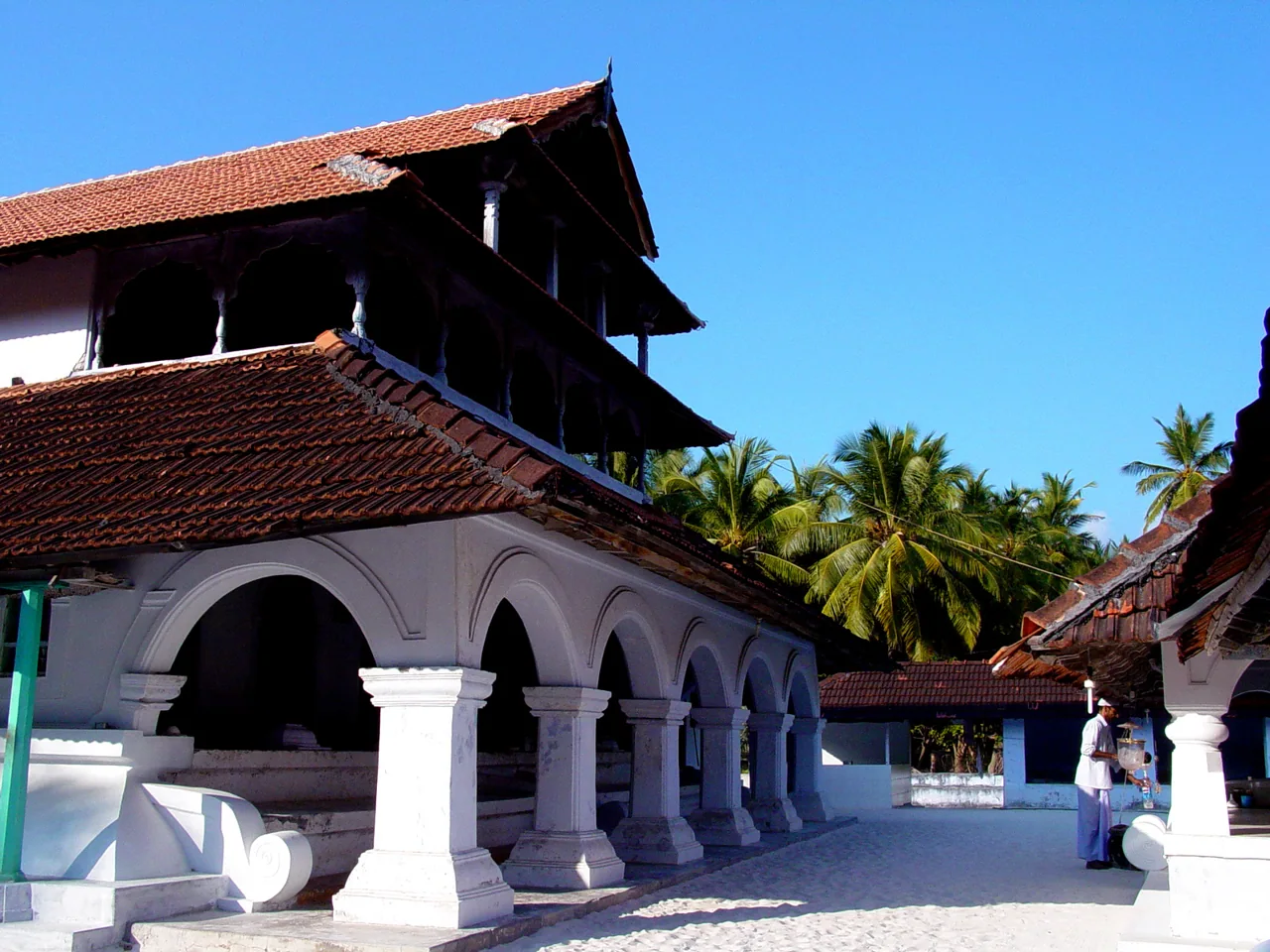
The story of Islam in Lakshadweep brings together maritime exchange, sacred places and cherished traditions.