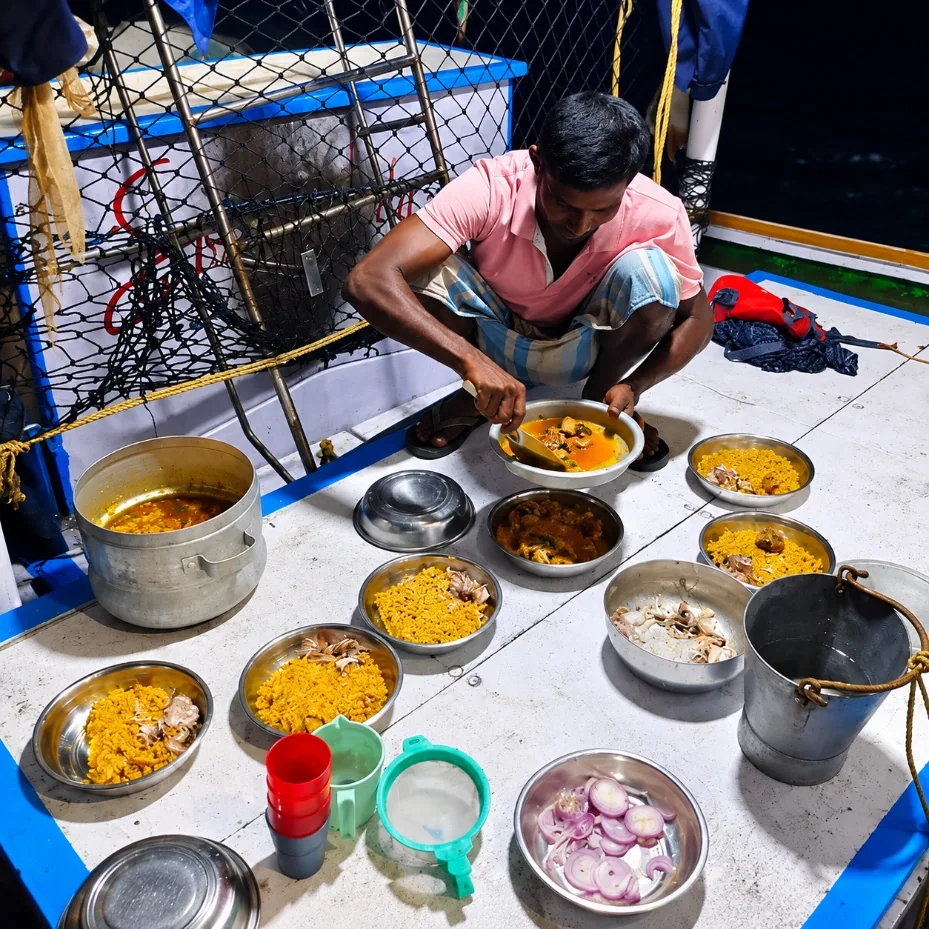
Eat, pray, fish
From a boat’s makeshift stove to the family kitchen, food tells the story of a changing archipelago.
In the making of mas, a fresh tuna catch becomes food, income and a connection between generations.
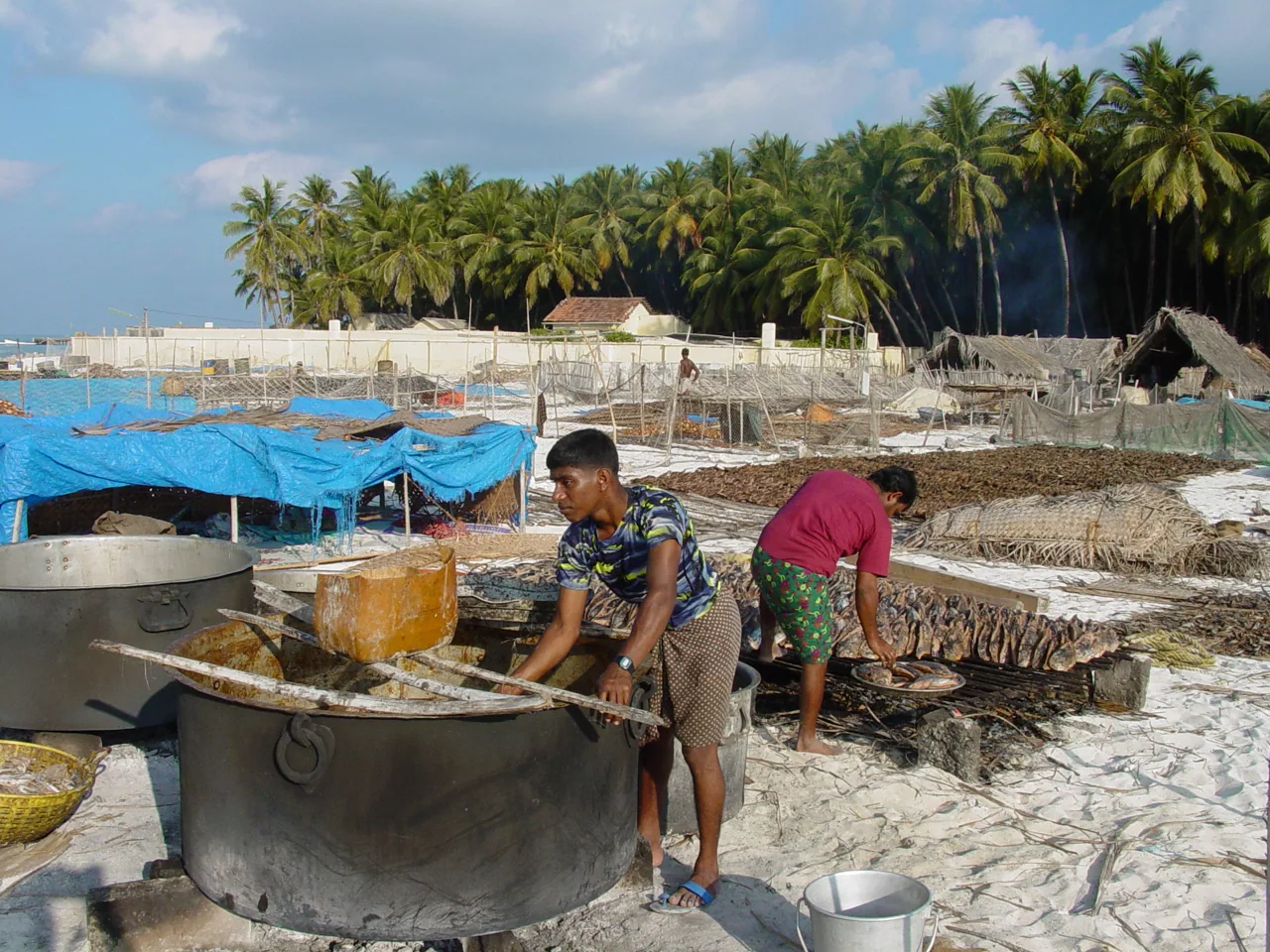
The work does not end when the boat reaches shore. The tuna catch passes into another sequence of skilled tasks: sorting, cleaning, preparing and processing. In Lakshadweep, one destination for that fish is mas.
Mas is a dried tuna product associated with island food and trade. Its preparation links fishers to processors, households and traders, extending the value of a catch beyond the day it is landed.
The source describes a process of preparing tuna, boiling it in salted water, smoking it and drying it in the sun. Each stage changes the fish’s moisture, texture and flavour.
Photographs show large vessels, fires and raised drying platforms. The work requires judgement about conditions and careful handling. Weather, hygiene and storage all affect the final product.
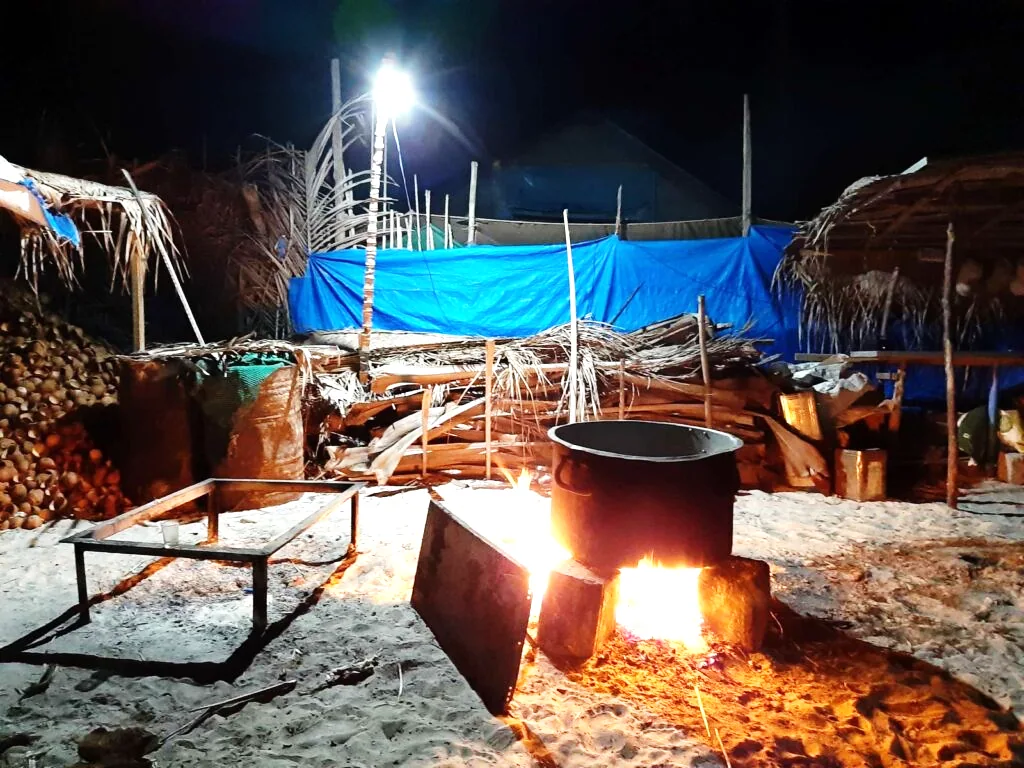
The essay describes skills passed between generations and facilities sometimes shared between households. The process is social as well as technical: people learn by working together, judging a batch and responding to changing conditions.
Mas also connects islands to wider markets. Preserved fish can travel farther than a fresh catch, making processing an important part of the relationship between local livelihoods and maritime trade.
Changing weather can make drying harder. New market expectations may call for improved handling, equipment and consistency. Supporting the tradition means addressing those needs alongside the health of the fishery itself.
The resourcefulness of mas-making deserves recognition without assuming that every traditional process is automatically sustainable. Fuel, labour, food quality and marine resources all belong in the story.
Adapted from Preserving more than fish.docx. This cultural account is not a preservation recipe. The original’s precise brine ratio, guaranteed storage life and unqualified environmental claims have been removed because they were not supported by a validated food-safety process.
About this journal’s editorial approach ↗From a boat’s makeshift stove to the family kitchen, food tells the story of a changing archipelago.
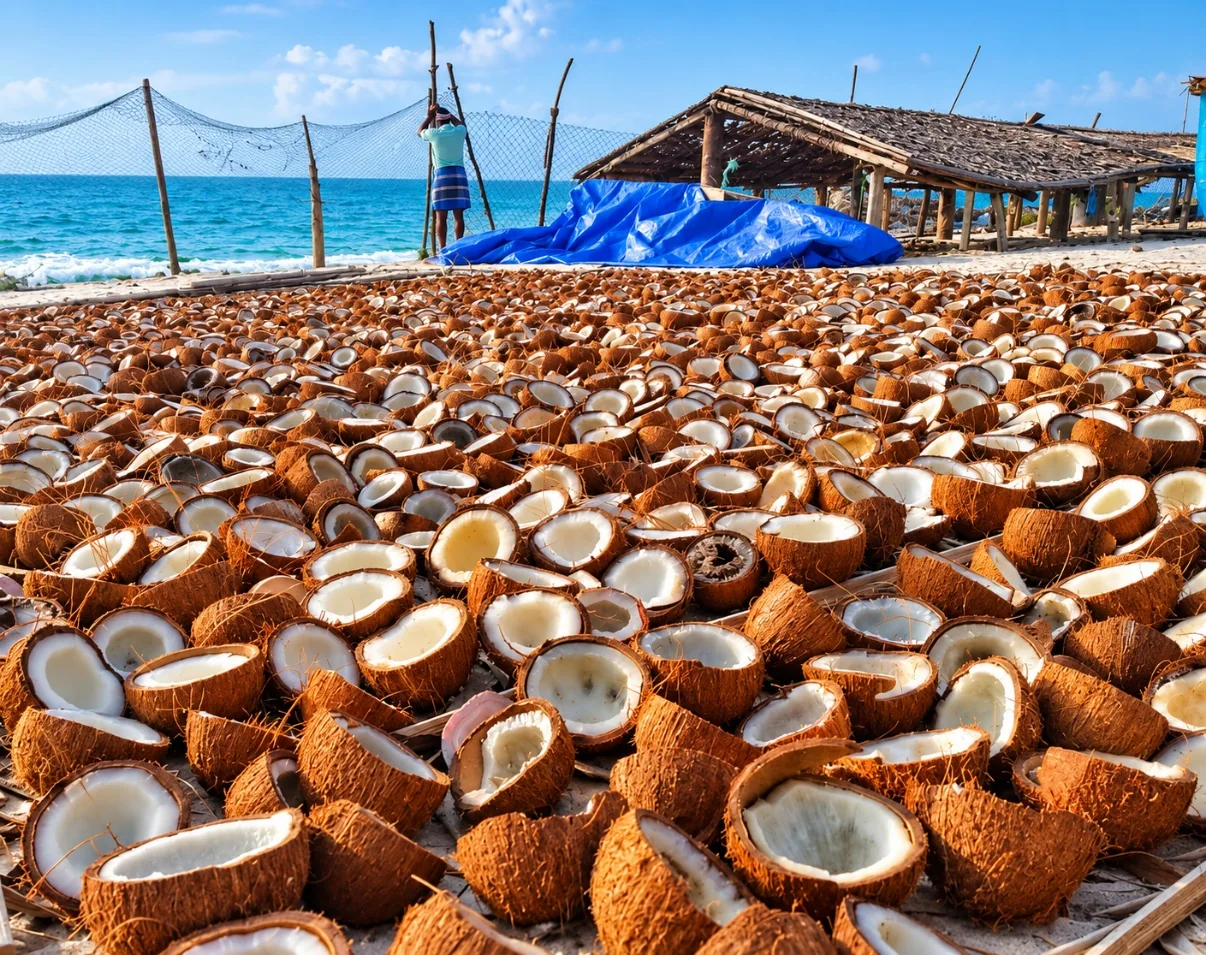
A coconut palm is a landscape, a livelihood and a remarkable store of useful materials.