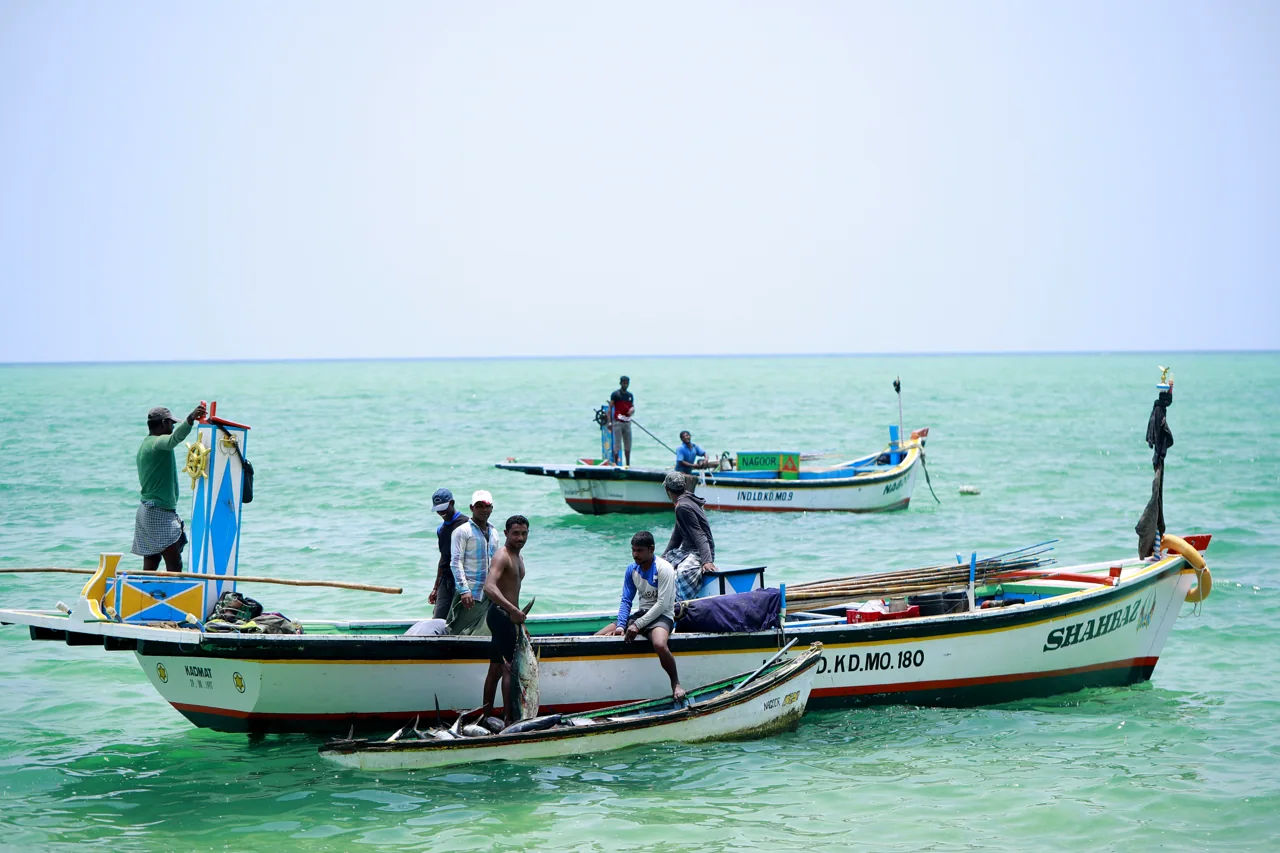
Fishing for sustainability
One pole. One line. A relationship with the ocean built on generations of knowledge.
Melon butterflyfish reveal both the possibilities and the limits of adapting to coral loss.
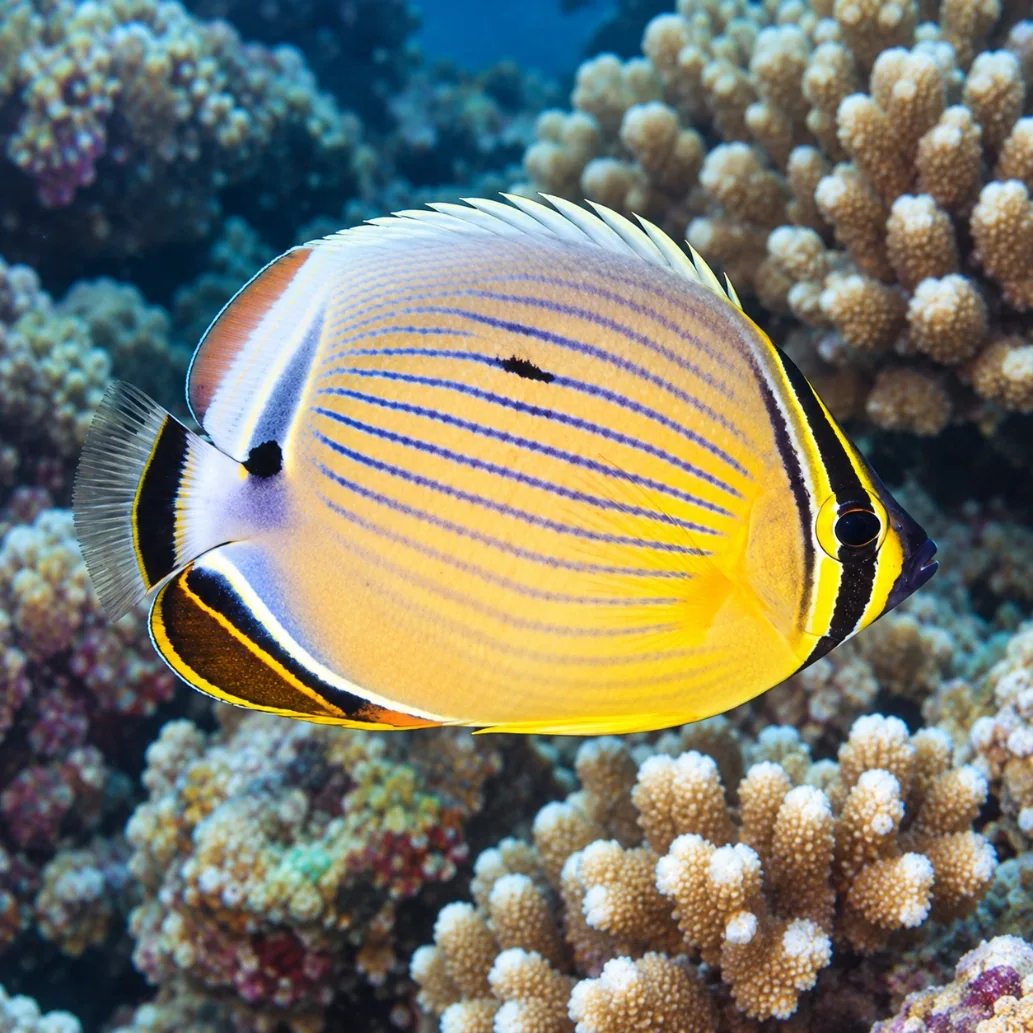
For a fish that feeds on coral, the disappearance of living coral means the disappearance of food. The melon butterflyfish, Chaetodon trifasciatus, offers a way to understand how a specialist responds when its habitat changes.
The supplied essay follows research by Amod Zambre and Rohan Arthur across three Lakshadweep reefs after bleaching. The study was published in 2018, and compared fish living with different levels of remaining coral cover.
On a reef with abundant living coral, feeding patches are close together. Where coral is sparse, fish must spend more time moving between them, leaving less time to eat.
The study found behavioural differences across Kadmat, Bitra and Kavaratti. Melon butterflyfish in more depleted conditions altered their feeding choices and increased their bite rates. Flexibility helped them respond to the changed food landscape.
Changing behaviour can help a fish remain on a damaged reef, but it does not demonstrate that all its needs are met. The energy spent searching for food and the quality of what it finds may still affect its condition.
The researchers’ public account stresses the uncertainty around the longer-term consequences. An animal’s continued presence should not be mistaken for proof that its habitat has recovered.
Bleaching occurs when stress disrupts the partnership between corals and their symbiotic algae. Bleached coral is still alive and may recover if conditions improve, but prolonged stress can lead to mortality.
Butterflyfish make the consequences visible. Their feeding behaviour connects a warming ocean to the practical problem of finding a meal, one coral patch at a time.
Adapted from Lakshadweep’s Butterflyfish Adapting to Coral Crises.docx. The study year is corrected from 2017 to 2018. Coral dependence is not generalised to every butterflyfish species, and survival is distinguished from evidence of long-term population health.
One pole. One line. A relationship with the ocean built on generations of knowledge.
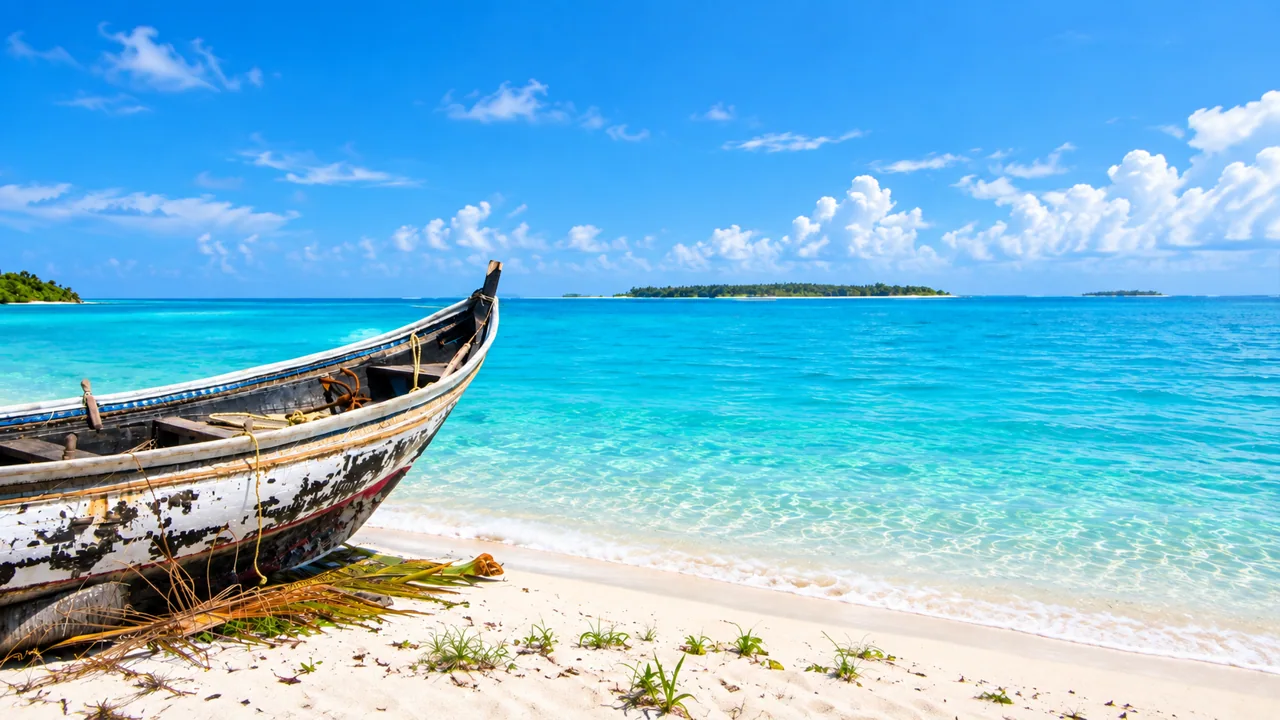
Beneath the coral sand lies a small, replenishable reserve that helps make island life possible.