Maliku: an island between worlds
Minicoy’s language, seafaring traditions and remembered past connect it to a wider Indian Ocean world.
The name Lakshadweep holds a familiar translation—and a more complicated history of interpretation.
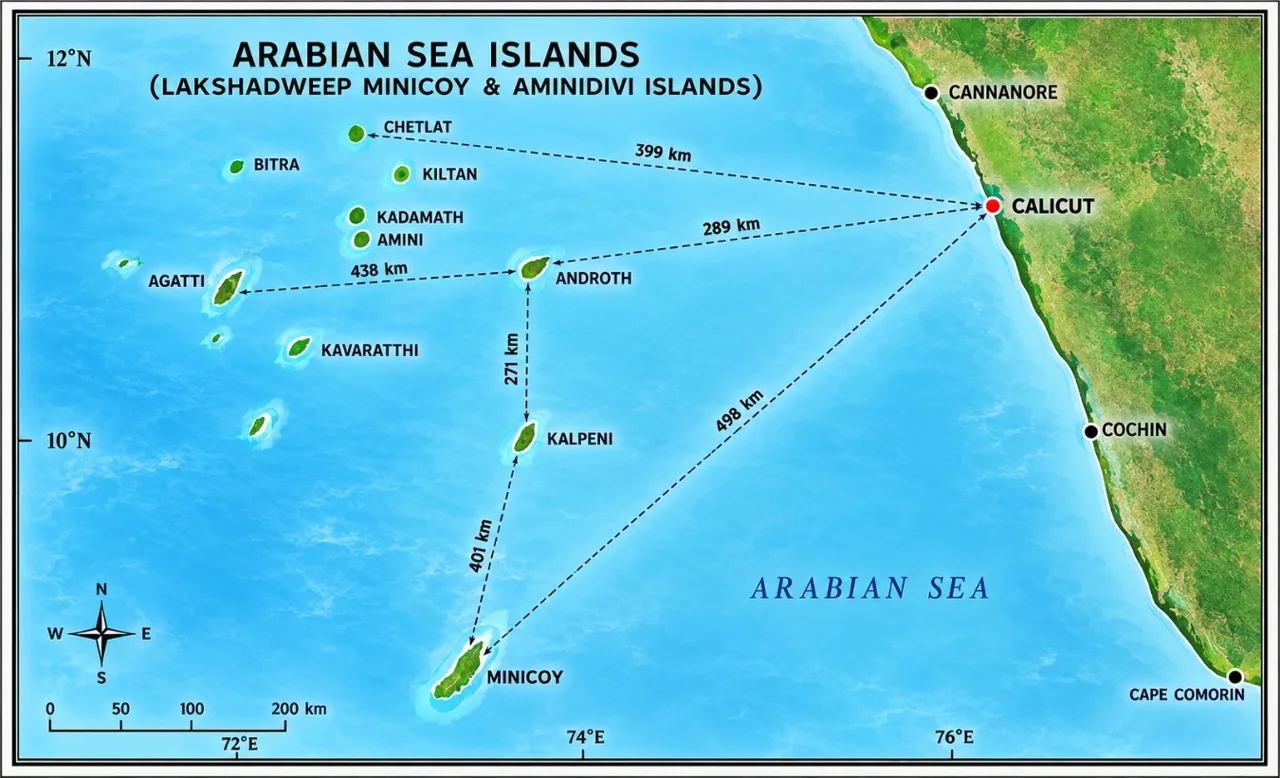
On 1 November 1956, the island groups became a Union Territory called the Laccadive, Minicoy and Amindivi Islands. The name Lakshadweep was adopted in 1973, not in 1956 as the supplied essay’s closing paragraph states.
The older administrative name held the different island groups together in a single phrase. The change to Lakshadweep gave the territory the name by which it is now widely known.
Lakshadweep is commonly translated as a hundred thousand islands. The Administration’s own introduction uses this meaning. It is not a literal inventory of the archipelago.
The supplied essay cites N. S. Mannadiar’s 1977 Gazetteer to question how that translation became an explanation of the name’s historical origin. Knowing what a word can mean and proving why a place received that name are different tasks.
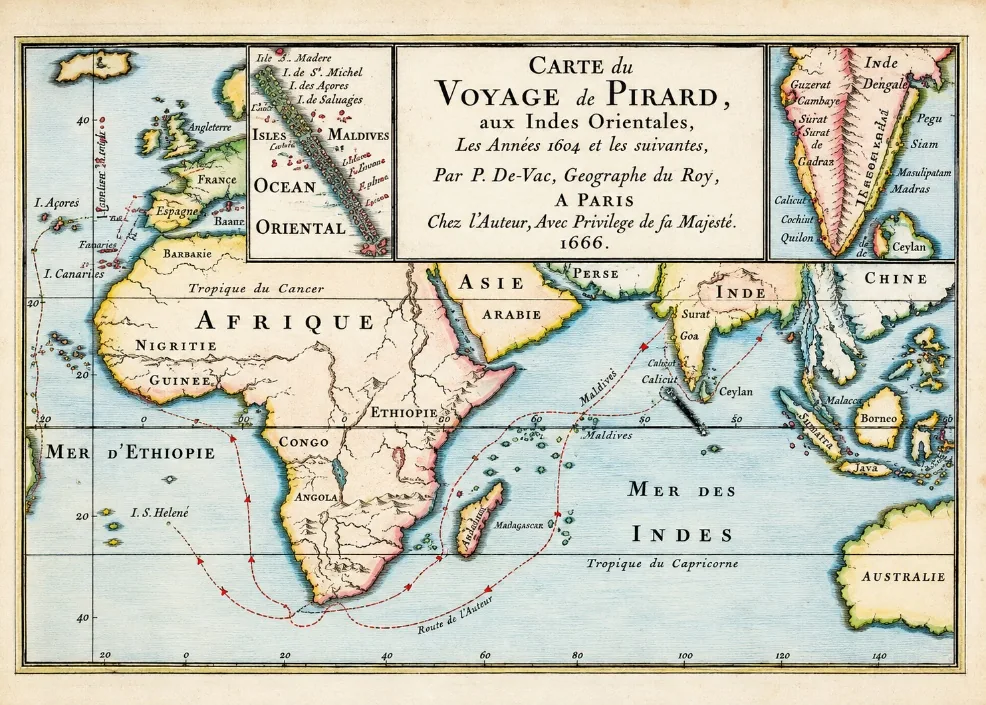
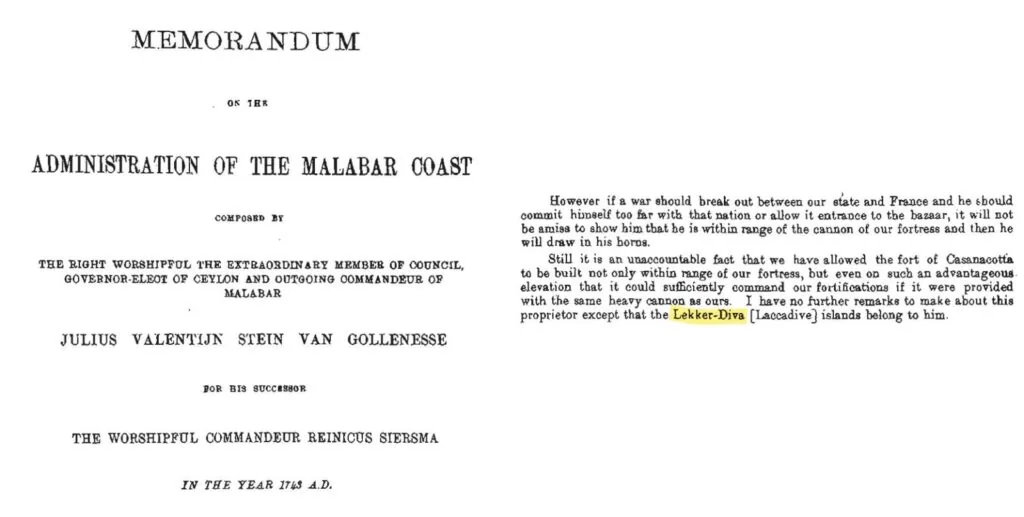
The source discusses variants including Laccadives and Lekker-Diva, and the ways names changed as they passed through local speech and European records. It also offers alternative explanations connected with debt and navigational landmarks.
These are presented here as theories discussed in the source, not established etymologies. The Gazetteer’s wording and the earlier records would need direct scholarly comparison to adjudicate between them.
A place name can have a conventional meaning, an administrative history and competing stories about its deeper origin. Keeping those layers separate makes the story more interesting and more accurate.
The securely documented milestone is the 1973 renaming. Around it are questions about how people at sea, on the islands and in distant offices described the same geography.
Adapted from What’s in a Name The Lakshadweep origin story.docx. The official renaming date has been corrected. Alternative etymologies are attributed to the supplied discussion of Mannadiar; none is claimed to have been conclusively established.
Minicoy’s language, seafaring traditions and remembered past connect it to a wider Indian Ocean world.
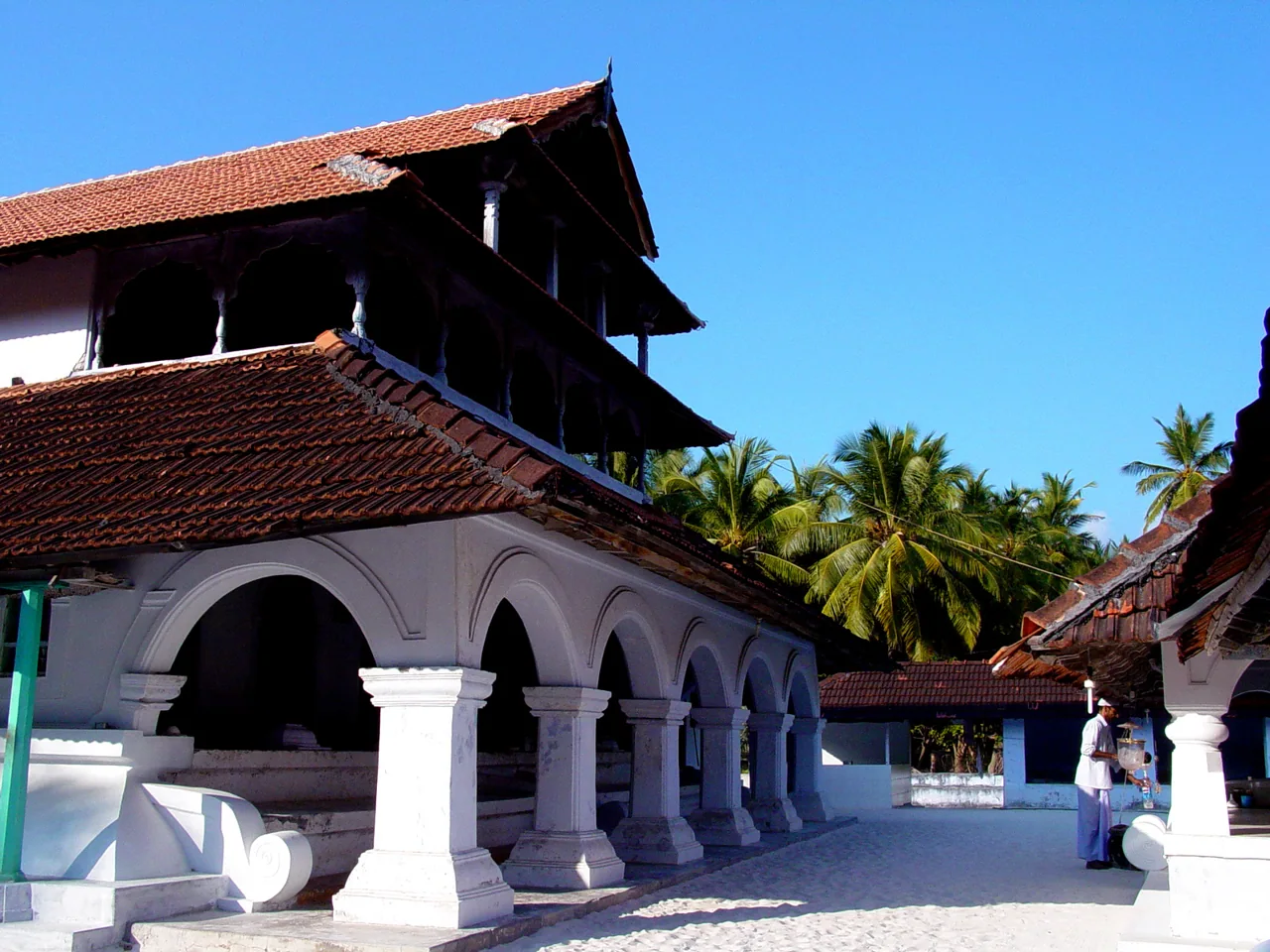
The story of Islam in Lakshadweep brings together maritime exchange, sacred places and cherished traditions.